
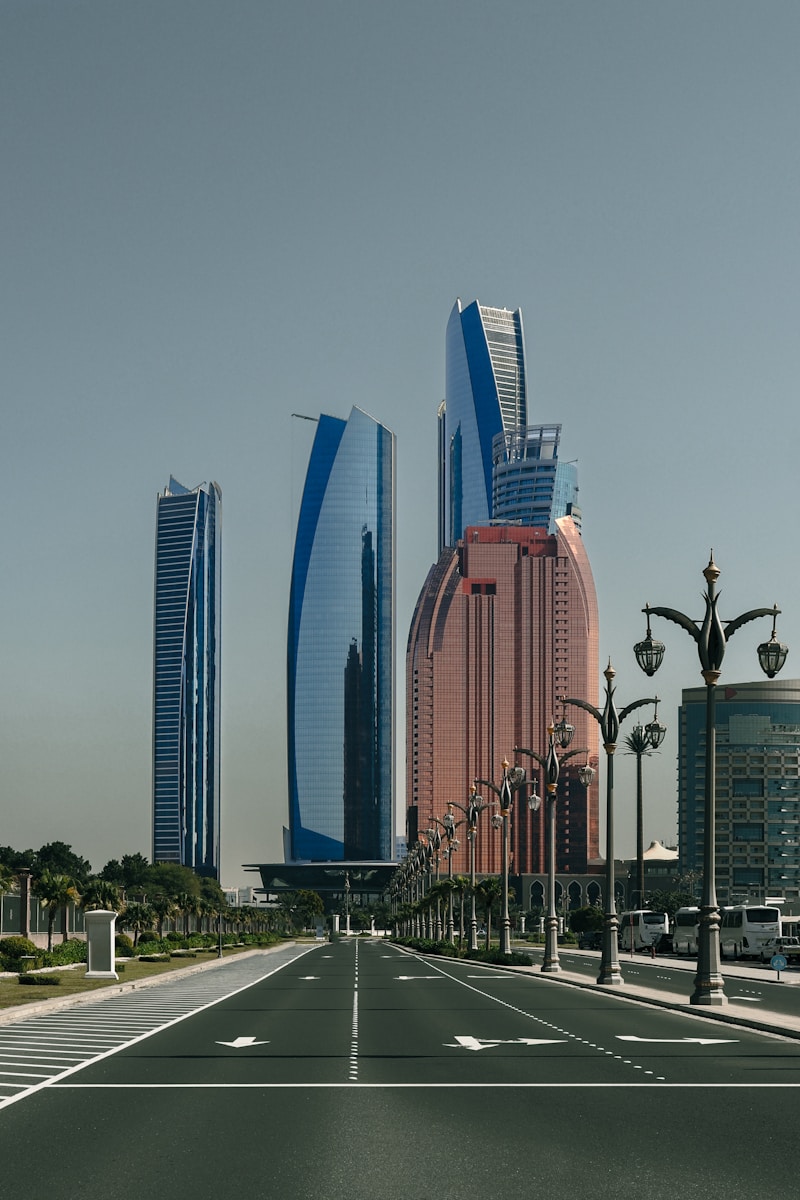
The Future of Real Estate in Dubai: Mortgage & Investment Predictions for 2030
Dubai’s skyline, a testament to ambition and rapid development, has long captured the world’s imagination. The emirate’s real estate market, a cornerstone of its economy, has weathered global storms and emerged resilient, constantly adapting and evolving. As we look towards the horizon of 2030, the landscape of Dubai property ownership and investment is poised for significant transformation, driven by visionary government initiatives, evolving economic policies, technological advancements, and shifting global dynamics. Understanding the trajectory of Dubai’s property market and the future of mortgages within it is crucial for investors, homeowners, and industry stakeholders planning for the next decade. This article delves into key predictions shaping the Dubai real estate forecast for 2030 and the evolving UAE mortgage landscape.
Catalysts Shaping Dubai’s Real Estate Future: Beyond the Sand and Sky
The Dubai real estate market doesn’t operate in a vacuum. Its future trajectory is heavily influenced by a confluence of powerful drivers:
- Dubai Economic Agenda D33: Launched in 2023, this ambitious strategy aims to double the size of Dubai’s economy over the next decade and position it among the top three global cities. Key pillars include boosting foreign trade and investment, enhancing digital transformation, and solidifying Dubai’s status as a hub for tourism, innovation, and finance. This growth agenda inherently fuels demand across residential, commercial, and hospitality real estate segments.
- Population Growth & Talent Attraction: Dubai’s population surpassed 3.5 million in 2023 and continues its upward climb, fueled by business-friendly policies, safety, quality of life, and initiatives like the golden visa program. Projections suggest a population exceeding 5.5 million by 2030. This sustained influx of residents and high-net-worth individuals creates robust underlying demand for housing.
- Sustainability Mandate (Net Zero 2050): The UAE’s commitment to achieving Net Zero by 2050, mirrored by Dubai’s own aggressive targets, is revolutionizing development standards. Green buildings, energy efficiency, and sustainable communities are no longer niche; they are becoming the baseline requirement. This impacts construction costs, property valuations, and buyer preferences.
- Technological Integration (AI, PropTech): From AI-powered property searches and virtual viewings to blockchain for transaction security and smart home management, technology is reshaping every facet of the real estate journey. Expect deeper integration by 2030, enhancing efficiency, transparency, and user experience.
- Infrastructure Expansion: Ongoing and planned infrastructure projects – including the expansion of Dubai Metro, new road networks like the Dubai-Al Ain Road upgrade, and the development of mega-districts like Dubai South (home to Expo City Dubai) – continue to enhance connectivity and unlock new areas for development, influencing property values and investment hotspots.
Dubai Property Forecast 2030: Trends, Opportunities, and Shifting Sands
Based on these drivers, several key trends are expected to define the Dubai property market leading up to 2030:
- Sustained, Mature Growth: While the explosive boom cycles of the past may give way to a more stable and sustainable growth pattern, the overall trajectory points upwards. Demand fundamentals driven by population growth and economic expansion remain strong. Expect moderate, consistent price appreciation in prime and well-established areas, with higher growth potential in emerging, infrastructure-linked districts.
- The Rise of Affordable & Mid-Market Segments: Recognizing the need to house its growing workforce and middle-class professionals, developers are increasingly focusing on quality, well-located projects in the AED 1 million to AED 3 million range. Areas like Jumeirah Village Circle (JVC), Arjan, Dubai South, and Damac Hills 2 are seeing significant activity catering to this segment.
- Community Living Reigns Supreme: Buyer preferences continue to shift towards integrated communities offering amenities, retail, schools, healthcare, and green spaces within walking distance. Established communities like Arabian Ranches, Dubai Hills Estate, and The Springs will retain their premium, while newer master-planned communities will compete on lifestyle offerings and sustainability credentials.
- Luxury & Ultra-Luxury Resilience: Dubai’s position as a global safe haven for wealth ensures sustained demand for high-end properties. Palm Jumeirah, Emirates Hills, Downtown Dubai, and emerging waterfront districts will continue to attract international buyers seeking premium assets. The definition of ‘luxury’ will increasingly incorporate bespoke services, privacy, and exclusive experiences.
- Focus on Quality & Developer Reputation: In a more discerning market, buyers will prioritize established developers with strong track records of delivery, quality construction, and good management (RERA’s developer classification will be crucial). Off-plan purchases will remain attractive, but trust in the developer will be paramount.
- Increased Institutional Investment & REIT Growth: Expect greater participation from institutional investors (pension funds, sovereign wealth funds) and the growth of Real Estate Investment Trusts (REITs) listed on DFM and Nasdaq Dubai, offering retail investors liquid exposure to the property market.
- Co-living & Flexible Workspace Influence: The global trends of remote work and the gig economy will influence demand for flexible living arrangements (co-living spaces) and properties with dedicated home office areas. Commercial real estate will adapt with more hybrid workspace solutions.
The Future of UAE Mortgages: Innovation, Inclusion, and Stability
The mortgage landscape in Dubai and the UAE is set to evolve significantly by 2030, driven by regulatory changes, technological innovation, and market dynamics:
- Digital Transformation & Fintech Integration: The mortgage application and approval process will become increasingly seamless and digital. Expect wider adoption of AI for credit scoring, blockchain for document verification, and fully online application platforms, significantly reducing processing times from months to potentially weeks or even days.
- Product Diversification & Flexibility: Banks and lenders will offer a broader range of mortgage products tailored to diverse customer needs. This includes:
- More competitive fixed-rate periods beyond the current typical 3-5 years.
- Green mortgages offering preferential rates for energy-efficient properties.
- Flexible repayment options linked to cash flow (e.g., bonus season payments).
- Continued development of Islamic finance (Murabaha, Ijara) compliant products.
- Interest Rate Environment: While subject to global monetary policy (particularly the US Federal Reserve, to which the UAE Dirham is pegged), the long-term trend could see a gradual normalization from the recent highs. However, borrowers should prepare for potential volatility and prioritize affordability assessments based on stress-tested rates. The UAE Central Bank’s robust regulatory framework provides stability.
- Increased Accessibility & Higher LTVs (Potentially): As the market matures and regulatory frameworks solidify, there might be cautious exploration of higher Loan-to-Value (LTV) ratios for specific segments (e.g., first-time buyers in affordable communities) or under certain conditions, potentially increasing accessibility. However, this will likely be balanced with strong risk management practices mandated by the Central Bank.
- Data-Driven Lending & Risk Management: Enhanced access to credit data through the UAE Credit Bureau (AECB) allows for more accurate risk assessment. This enables lenders to offer more competitive rates to low-risk borrowers while maintaining prudent lending standards.
- Focus on Long-Term Stability & Affordability Checks: Regulations will continue to emphasize responsible lending. Banks will conduct thorough affordability checks based on a borrower’s total debt burden, ensuring mortgage repayments are sustainable even if interest rates rise. This protects both the borrower and the broader financial system.
Strategic Investment Opportunities: Positioning for 2030
For investors looking towards 2030, certain strategies and asset classes appear promising:
- Emerging Communities with Infrastructure Links: Investing in areas poised for growth due to new infrastructure (e.g., Dubai South near Expo City and Al Maktoum International Airport expansion, communities along the extended Dubai Metro routes).
- Sustainable & Green-Certified Properties: Properties with high ESG (Environmental, Social, Governance) ratings are likely to see premium valuations and rental yields as regulations tighten and tenant/buyer demand increases. Look for DEWA Green Initiative participants or LEED/Estidama certified buildings.
- Income-Generating Assets: Residential properties in high-rental demand areas (central locations, near business hubs, family communities) or well-managed commercial properties (especially logistics and light industrial near ports/airports) offer potential for stable yields.
- Off-Plan in Reputable Projects: Purchasing during the construction phase from top-tier developers can offer price advantages and potential capital appreciation upon completion, but requires thorough due diligence on the developer and project.
- REITs and Real Estate Funds: For investors seeking diversification and liquidity without direct property management, REITs offer exposure to portfolios of income-generating real estate assets.
Navigating Risks: What Investors & Homebuyers Need to Consider
Despite the optimistic outlook, prudent planning involves acknowledging potential risks:
- Global Economic Volatility: Dubai’s economy is globally interconnected. Recessions in key source markets for investment or tourism can impact demand.
- Oversupply in Specific Segments: While overall demand is strong, localized oversupply in certain areas or property types (e.g., high-end apartments in a specific district) could temporarily impact prices and rental yields. Market research is key.
- Interest Rate Fluctuations: As mentioned, mortgage costs are sensitive to global interest rate movements. Factor potential rate increases into long-term affordability calculations.
- Regulatory Changes: The regulatory environment is dynamic. Stay informed about potential changes in property laws, visa regulations (like golden visa criteria), or mortgage lending rules.
Conclusion: Dubai Real Estate 2030 – A Mature, Sustainable, and Tech-Driven Hub
The future of real estate in Dubai leading up to 2030 paints a picture of a market transitioning towards greater maturity, sustainability, and technological integration. Driven by strong economic fundamentals, ambitious government agendas, and continuous population growth, the demand for quality properties remains robust. While growth may be more measured than past booms, the trajectory is undeniably positive.
The mortgage sector is set to become more efficient, diverse, and accessible through fintech, offering tailored products while maintaining strong regulatory oversight for stability. Investors and homeowners who embrace sustainability, focus on quality and reputable developers, leverage technology, and conduct thorough due diligence will be best positioned to capitalize on the opportunities Dubai’s dynamic property market presents over the coming years. Understanding the interplay between property trends and mortgage evolution is essential for making informed decisions in this exciting and ever-evolving market.

Leave a Reply