
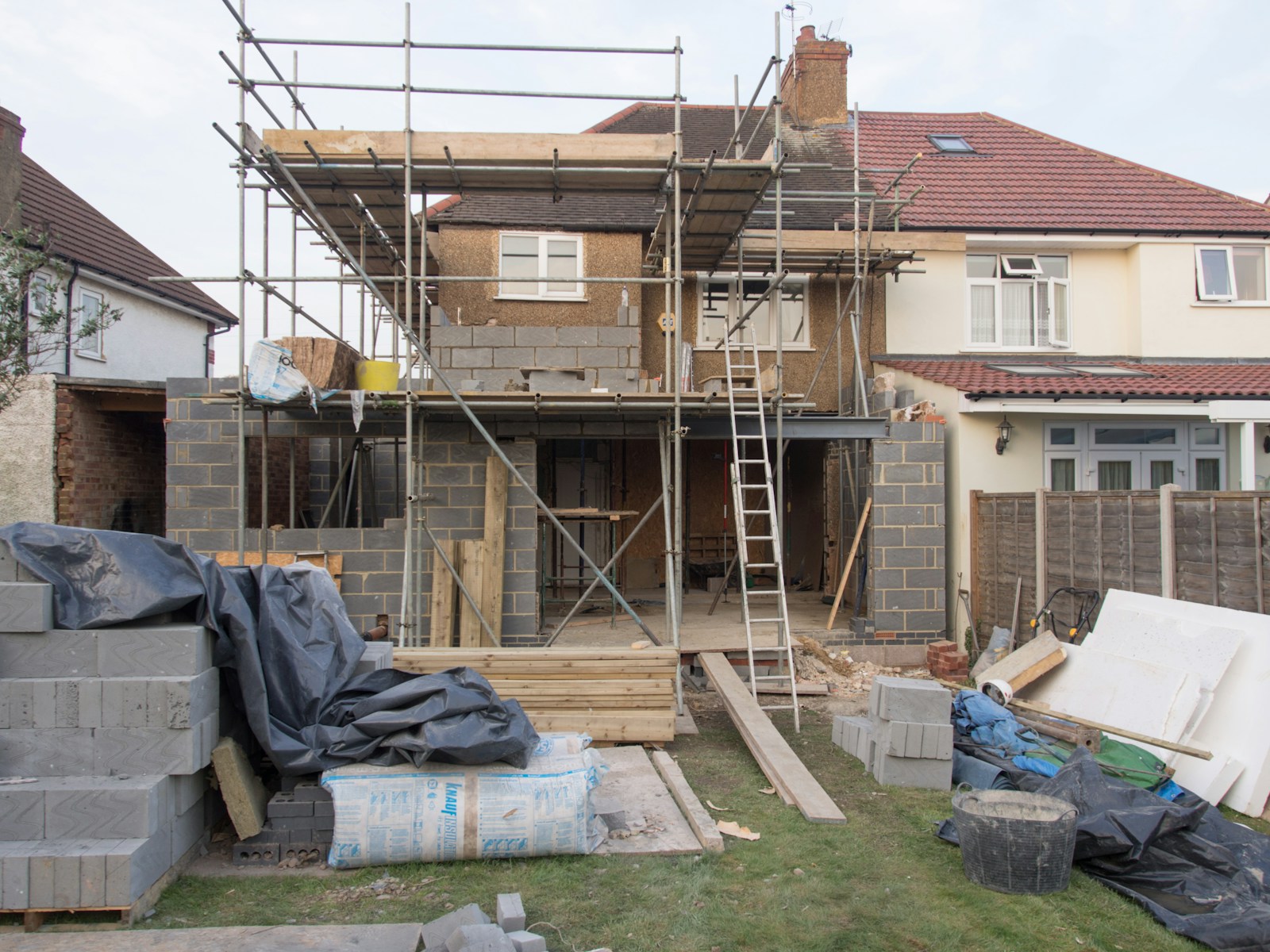
Pros and Cons of Buying Off-Plan Property in the UAE: Your Essential Guide
The UAE’s off-plan property market – particularly in Dubai – presents a tantalizing opportunity for investors seeking high-potential returns. With futuristic megaprojects like Palm Jebel Ali, Mohammed Bin Rashid City, and Abu Dhabi’s Reem Island expansions reshaping skylines, buying property before construction completion has become a cornerstone of the Emirates’ real estate strategy. In 2023 alone, Dubai recorded a staggering 62,800 off-plan transactions totaling AED 151 billion, demonstrating massive market appetite. But diving into off-plan purchases requires understanding unique UAE-specific dynamics. This guide dissects the advantages and risks so you can invest with confidence.
Understanding Off-Plan Property Dynamics in the UAE
Off-plan purchases involve buying units directly from developers using construction-linked payment plans overseen by Dubai Land Department (DLD) or Abu Dhabi Urban Planning Council. The UAE mandates developer escrow accounts through Laws No. 8 (2007) and No. 13 (2008), providing vital buyer protection where funds are released only upon verified construction milestones. Projects like Emaar’s Oasis or DAMAC’s Cavalli Tower follow flexible payment schemes (e.g., 5% at booking, 95% during construction), significantly lowering entry barriers versus completed properties. Regulatory reforms – such as RERA’s Project Registration and the 2022 joint account policy for service charges – continue strengthening market integrity.
Advantages of Buying Off-Plan Property in the UAE
Beyond the glittering brochures, UAE off-plan investments deliver tangible benefits shaped by local market conditions:
Attractive Price Points & Flexible Payments
Developers across Dubai and Abu Dhabi deliberately launch projects at pre-construction premiums 5-15% below comparable ready properties. For instance, Sobha’s One Park JVC in Dubai started sales from AED 900,000 (USD 245,000) versus AED 1.2 million averages in completed JVC projects. More crucially, UAE payment plans break costs across 3-5 years. Nakheel’s Gardens project offers 1% monthly installments until handover, while Aldar’s Alreeman II in Abu Dhabi allows 50% post-handover payment – transforming property access for residents and international investors.
Maximized Capital Appreciation Potential
Strategic timing delivers disproportionate gains as infrastructure develops. Off-plan buyers at Downtown’s Burj Khalifa launch saw values surge over 200% during construction. Average Dubai off-plan ROI reaches 20-30% between launch and completion (Property Monitor 2023). Emerging areas show even more dramatic growth: DAMAC Lagoons in Dubailand launched at AED 1.1M in 2023 with projected valuations exceeding AED 1.45M at handover.
Developer Incentives & Customization Options
To stay competitive, developers bundle perks into off-plan deals. Select projects offer guanteed rental yields (Rav7’s 7% for 3 years), free maintenance packages, furniture vouchers, or luxury upgrades at pre-launch. Major developers like Emaar further permit layout modifications during construction – an exclusivity rarely available with ready homes.
Modern Amenities & Compliance Standards
New projects adhere to evolving UAE sustainability codes (Al Sa’fat ratings in Dubai) and consumer-centric regulations covering quality defects. Off-plan buyers gain access to innovation unseen in older buildings: smart-home AI systems in Ellington’s The Lofts (Dubai Hills) or LEED-certified amenities at Bloom Living Abu Dhabi.
Disadvantages and Risks of Off-Plan UAE Purchases
Despite strong regulatory frameworks, off-plan investments carry inherent uncertainties requiring due diligence:
Construction Delays and Project Cancellations
Though rare post-regulatory reforms, Dubai recorded over 200 delayed projects across 2020-2022. Economic headwinds or developer liquidity issues (like with Dubai Water Canal’s delayed Skyscape Residences) can postpone handovers by 18+ months. Cancellation risks exist – the DLD terminated 31 projects from 2018-2023 requiring buyer reimbursements.
Market Volatility and Valuation Uncertainties
UAE real estate moves in cycles influenced by oil prices, tourism flows, and global capital trends. Off-plan investors acquired Dubai Marina units in 2014 expecting continued growth, only to face a 15% value dip by 2018. Rental yield projections remain theoretical until project occupation – Sobha Hartland averaged 5.7% actual rentals versus developers’ advertised 7%.
Quality Discrepancies & Hidden Costs
Final builds sometimes deviate from show units. Buyers at Dubai’s Jumeirah Village Circle reported material downgrades and smaller layouts versus initial spec. Post-completion, service charges in communities with intensive amenities (like Bluewaters Island resorts) can spike unexpectedly – RERA caps mean Dubai’s charges average AED 10-35/sqf yearly, but special destinations climb higher.
Liquidity Challenges During Holding Periods
Selling pre-completion properties requires developer consent until title deeds are issued (typically 12 months post-handover). Secondary trading involves complex paperwork and attracts fewer buyers until construction nears completion. Investors requiring quick exits during market corrections may incur substantial losses.
Strategic Considerations for UAE Off-Plan Buyers
Mitigate risks and amplify rewards through these UAE-specific tactics:
Verify Developer Credentials & Regulatory Compliance
Must-check UAE registers:
- Dubai: RERA’s Project Registration number + Escrow Account Number (verify on DLD portal)
- Abu Dhabi: UPDA-issued Development License + Tawtheeq registration
- Review developer portfolio – prioritise entities like Emaar, Aldar, or Meraas with 90%+ completion rates
Analyze Payment Plan Structures
Avoid disproportionate upfront commitments. The ideal UAE payment profile allocates:
- 5-10% at booking
- 40-60% across construction milestones
- 30-40% post-handover (post-handover plans require UAE Central Bank approval)
Always demand documented milestone evidence before installments.
Demand Transparency on Project Phases
Insist on master plans and completion certificates for preceding development phases – especially in mega-communities like Dubai South or Aljada Sharjah. Developers delaying Phase 1 infrastructural works often postpone subsequent towers.
Include Protective Clauses in Contracts
UAE courts enforce contracts with specific performance terms around late penalties and exit rights. Negotiate:
- Delay compensation minimums (e.g., 7% of unit price/year after grace period)
- Material alteration reversal clauses
- 60-day payment grace periods tied to financing approvals
Tax Optimization & Holding Strategies
Position investments advantageously:
- Non-resident buyers benefit from UAE’s zero income/property tax
- VAT exemptions apply to residential first-sales until Dec 31, 2024 (per FTA Public Clarification)
- Align holding periods with Expo 2030 or Dubai Urban Masterplan milestones for peak valuations
Conclusion: Navigating Your UAE Off-Plan Journey
The UAE off-plan sector offers thrilling growth prospects intertwined with unique Gulf-market risks. While price advantages, flexible payments, and appreciation upside make projects like Azizi Venice or Arada Sharjah compelling, prudent investors scrutinize developer track records, contract specifics, and market cycles. Leverage UAE’s robust regulations – from escrow accounts to DLD transparency portals – to safeguard investments. For residents seeking subsidized entry into prestige communities or global investors diversifying into tax-free assets, off-plan properties remain indispensable… provided you enter with diligence, patience, and strategic vision. The shimmering towers rising across Emirates’ horizons hold life-changing wealth potential, but only for those who build foundations in research.

Leave a Reply