Tag: mortgage rates

  • The Ultimate Guide to Off-Plan Mortgage Financing in Dubai

    The Ultimate Guide to Off-Plan Mortgage Financing in Dubai

    The Ultimate Guide to Off-Plan Mortgage Financing in Dubai

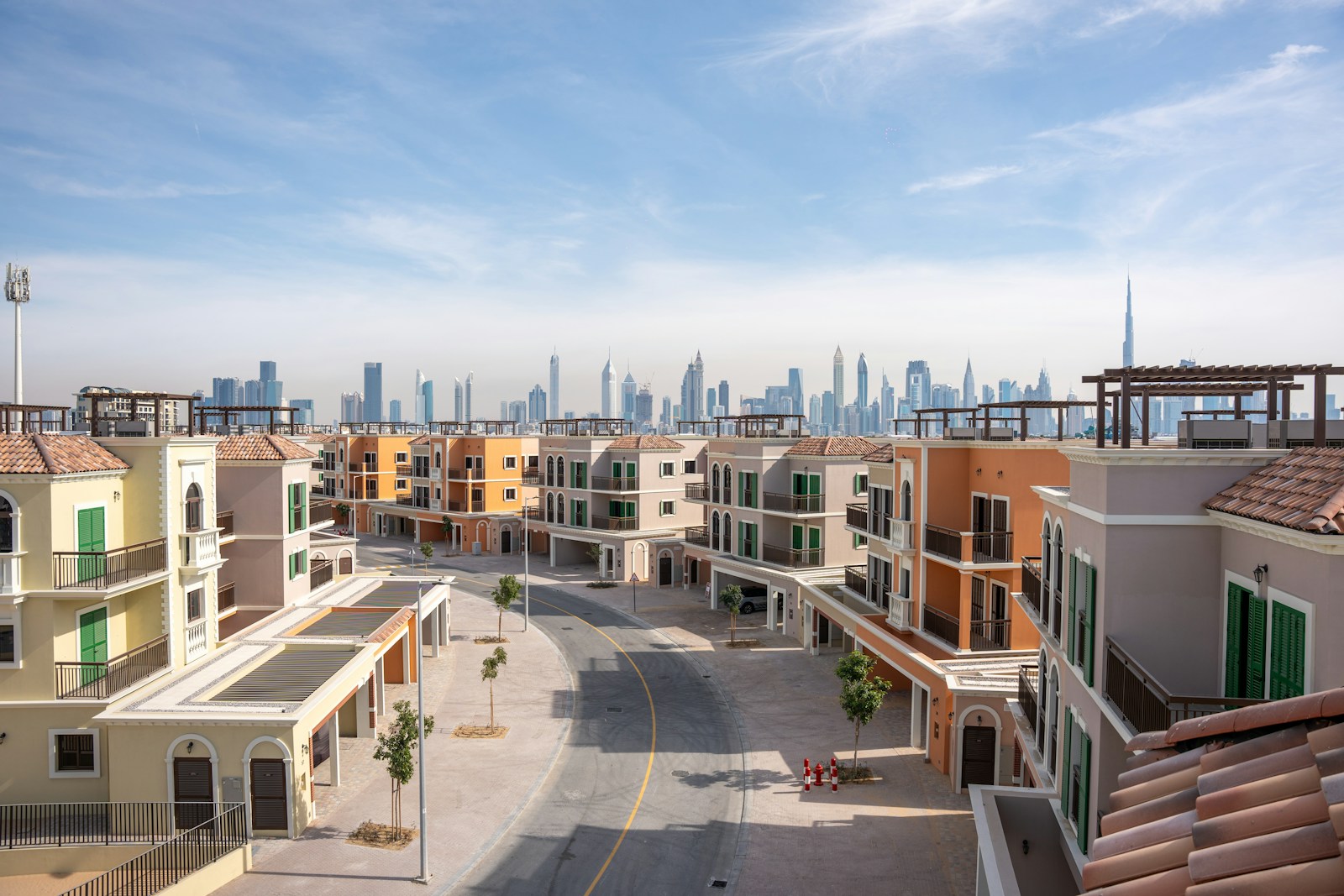
    Dubai’s stunning skyline is constantly evolving, dotted with futuristic towers and luxurious communities that start as blueprints and artist impressions. This vibrant transformation makes off-plan real estate a magnet for investors and homeowners seeking value and modern amenities. But how do you finance a property that doesn’t exist yet? Welcome to your ultimate guide on off-plan mortgage financing in Dubai – your roadmap to unlocking world-class property with strategic financial planning.

    What Is Off-Plan Property Financing and Why Is It Unique?

    Off-plan financing refers to mortgage solutions specifically designed for purchasing properties still under construction. Unlike buying a ready home where you secure a traditional mortgage at completion, off-plan finance involves paying according to a construction-linked schedule. In Dubai’s booming real estate market, this model offers unparalleled perks, including:

    • Developer Payment Plans: Flexible instalments spread across construction phases (e.g., 50% down, 50% upon handover).
    • Deferred Mortgage: Banks approve your loan upfront but only disburse funds closer to project completion.
    • Price Appreciation Edge: Lock in today’s price for tomorrow’s finished asset, often tapping into rising market values.

    According to DLD (Dubai Land Department) data in 2024, off-plan transactions consistently capture 50-60% of Dubai’s residential sales volume, proving massive appeal for savvy buyers seeking modern amenities and location perks.

    Step-by-Step: How Off-Plan Mortgage Financing Works in Dubai

    Navigating off-plan finance involves a structured journey. Here’s how it unfolds:

    • Step 1: Select & Reserve: Choose a project by a reputable master developer (like Emaar or Nakheel), sign a Reservation Form and pay booking fees (usually 5-10%).
    • Step 2: Mortgage Pre-Approval: Approach banks for principle approval. UAE banks like Emirates NBD, ADCB, or Mashreq assess income, credit, and project viability—required for SPA signing.
    • Step 3: Sign SPA & Payment Plan: Formalise purchase via a Sales & Purchase Agreement (SPA) at DLD’s Oqood portal. Pay down payments (as low as 10-25%) in stages until completion.
    • Step 4: Final Mortgage Disbursement: Around 6-12 months before project handover, the bank reappraises the property and releases 75% of its completed market value. Buyer covers the remaining balance.

    For example: Buying a AED 1.5M apartment off-plan might require 20% (AED 300K) paid during construction, leaving a mortgage of approximately AED 900K upon handover (since banks lend 75% post-delivery value).

    Major Benefits: Why Dubai Investors Love Off-Plan Financing

    Off-plan’s dominance in sales reports isn’t random—it offers tangible advantages:

    • Attractive Price Points: Developers incentivize off-plan sales with lower prices per square foot (often 10-25% discounts).
    • Payment Flexibility: Staggered installments over 2-5 years align with construction, improving cash-flow management. Leading projects now offer extended post-handover payment plans.
    • Customisation & Rewards: Early buyers may select units, layouts, finishes, and often receive freebies like registration fee waivers or parking discounts.
    • Capital Growth: Park 90 Tower purchasers in JVC saw values surge around 15% ahead of delivery in 2024 – exemplifying value capture.

    Understanding the Risks and Mitigation Tactics

    While rewarding, off-plan isn’t without risks. Mitigate them skillfully:

    • Project Delays: Choose only RERA-registered developers. Insurance-backed Escrow accounts mandated by DLD safeguard deposits until milestones hit. Buyers can legally exit delayed projects after 10-24 months per Law No. 19 of 2023.
    • Market Value Risk: Be prepared for potential shifts between buying and completion. Focus on proven locations like Dubai Hills Estate or Downtown.
    • Mortgage Qualification Changes: Economic shifts may alter interest rates or loan criteria before disbursement. Maintain steady income and credit ratings.
    • Quality Mismatches: Visit show units, inspect sites, and check past developer track records by verifying projects completed in Dubai Marina or Sports City.

    Eligibility & Documentation: What UAE Banks Require

    UAE banks follow strict criteria for off-plan loans:

    • Income: Minimum AED 15,000 monthly salary (some banks accept lower for shared loans). Self-employed need 2+ years of audited accounts.
    • Down Payment: 15-35% of property price based on nationality (expats pay more; UAE nationals enjoy discounts like Sheikh Zayed Housing support).
    • Credit Score & DBR: Clean UAE credit history and maximum Debt Burden Ratio (DBR) of 50% of income. Fixed-term contracts need term beyond handover.
    • Documents: Passport/Visa, salary slips, bank statements, employment letter, SPA copy, site plan approvals, and developer NOC.

    Hot tip: Consider getting pre-approved **before** selecting a project to avoid heartbreak later.

    Choosing Your Best Mortgage Deal: Tips & Trends (2025)

    Competition among UAE banks makes mortgage hunting strategic:

    • Compare All Offerings: Don’t just default to your salary bank! Apps like Holobay or visits to mortgage brokers streamline rate discovery.
    • Fixed vs Variable Rates: Lock fixed rates (currently 4.5-5.75% p.a.) if you foresee rate increases; variable starts lower but fluctuates with EIBOR.
    • Fee-Saving Hacks: Negotiate fee waivers on processing, valuation, or arrangement costs—especially with strong profiles.
    • Loan Transfer Options: Seek banks allowing refinancing or “Mortgage Transfer” without penalties post-handover for better terms.

    Recent regulatory boosts include an expanded UAE Golden Visa eligibility threshold to AED 2M property value, further enhancing off-plan demand.

    Post-Handover Process: From Mortgage to Ownership

    Once you receive keys, transition smoothly:

    • Final Bank Appraisal: Lender assigns third-party evaluator (like Tasweek) to confirm agreed handover value.
    • Property Registration:
    • Pay DLD registration fee (4% on mortgage portion), mortgage registration fee (~0.25%), and utility connection fees.

    • Service Charge Planning: Budget annual costs managed by HOAs—from AED 12/sqft for apartments in DAMAC Hills to AED 30/sqft for villas in Palm Jumeirah.

    Future Outlook: Dubai’s Off-Plan Market Evolution

    With mega-projects like Mohammed Bin Rashid City expanding Dubai’s periphery, off-plan sector trends include developers partnering with local banks to offer integrated financing packages. RERA’s OTLA (Organisational Technology Licensing Affairs) portal simplifies queries on project delays. End-users are targeting districts like Sobha Hartland and family-centric Expo City for long-term gains, anticipating early-stage capital appreciation.

    Conclusion: Embrace Opportunity Responsibly

    Off-Plan mortgage financing in Dubai offers unmatched potential for securing premium real estate on flexible terms. With sound research, professional guidance, and adherence to RERA protections, investors and homeowners alike can unlock value while navigating risks intelligently.

    Your Next Steps: Verify developers using DLD’s ‘REST’ App, meet bank advisors to pre-qualify early, and leverage resources like Dubai Off-Plan Premium Subscriptions for exclusive project insights. The city’s future imagined on blueprints can become your reality—backed by savvy finance. Remember: an informed investor always builds stronger foundations!

  • How Property Age Affects Your Mortgage Approval in the UAE

    How Property Age Affects Your Mortgage Approval in the UAE

    How Property Age Impacts Your Mortgage Approval in the UAE: Key Rules & Strategies

    Securing a mortgage in the UAE’s dynamic real estate market involves numerous factors, and one crucial element often underestimated by buyers is the age of the property. Banks and lenders meticulously assess property age due to its direct link to risk, valuation, and regulatory compliance. Understanding how older buildings influence mortgage terms – from loan amounts and interest rates to eligibility itself – is vital for making informed investment decisions in Dubai, Abu Dhabi, and beyond.

    Why UAE Banks Care Deeply About Property Age

    Lenders perceive older properties as inherently riskier investments compared to newer developments. This risk perception stems from several UAE-specific concerns:

    • Higher Maintenance Costs & Depreciation: Older buildings often require more frequent and costly repairs. Plumbing, electrical systems, lifts, and structural elements deteriorate over time, increasing the chance of significant unforeseen expenses for the owner.
    • Lower Resale Value & Marketability: Properties in aging buildings can be harder to sell quickly, especially compared to shiny new developments with modern amenities. Banks worry about their ability to recover the loan amount if foreclosure becomes necessary.
    • Regulatory Compliance & Obsolescence: Older buildings might not meet current UAE construction, safety (like Civil Defence regulations), or environmental standards. Major refurbishment costs or even potential demolition orders pose significant risks.
    • Community Management & Sinking Funds: The financial health of the building’s Owners Association (OA) and the adequacy of its reserve fund for major repairs are critical. Older buildings with poorly managed OAs or insufficient funds are red flags.

    Official UAE Mortgage Rules: The Central Bank Framework

    The UAE Central Bank sets the baseline regulations governing mortgages through its Mortgage Loans Regulation. While it doesn’t specify an absolute universal age limit, it heavily influences bank policies through Loan-to-Value (LTV) ratio caps:

    • First-Time Buyers: Max 80% LTV for properties valued below AED 5 million, 70% for properties above AED 5 million.
    • Second Home/Investors: Max 70% LTV for properties below AED 5 million, 60% for properties above AED 5 million.

    Crucially, banks interpret these LTV caps through the lens of property age. They impose stricter internal limits on older properties, effectively forcing buyers to contribute a larger down payment.

    How UAE Banks Apply Age Restrictions: Concrete Policies

    Most major UAE banks have explicit internal policies regarding property age for mortgage financing:

    • The “20-Year Rule” (Common Standard): Many banks, including Emirates NBD, ADCB, and Dubai Islamic Bank, often set a maximum age limit of 20 years from the building’s completion date at the time of loan maturity. This is critical: If your loan term is 25 years and the building is already 10 years old, the building would be 35 years old when the loan ends – exceeding the typical 20-year limit at maturity and likely causing rejection.
    • Stricter LTVs for Older Properties: Even for properties under the age threshold, banks progressively reduce the maximum LTV as the property ages. For example:
      • 0-5 years old: Up to 75-80% LTV (depending on buyer type/value).
      • 5-10 years old: Often capped at 65-70% LTV.
      • 10-15 years old: Might be limited to 50-60% LTV.
      • 15-20 years old: Could be as low as 40-50% LTV, if financed at all.
    • Shorter Loan Tenures: Banks rarely offer 25-year terms for older properties. Tenures might be capped at 15, 10, or even fewer years for buildings approaching their internal age limit, increasing monthly payments.
    • Enhanced Scrutiny & Valuation Challenges: Older properties undergo rigorous valuation. Appraisers will closely inspect the building’s condition, OA financials, and maintenance history. Valuations often come in lower than expected for older stock, impacting the loan amount based on the lower LTV applied to the lower valuation.
    • Potential for Higher Interest Rates: Some banks may apply slightly higher interest rates to mortgages on older properties to compensate for the perceived additional risk.

    Case Study: Buying a 15-Year-Old Apartment in Dubai

    Imagine you want to buy an apartment in a building completed in 2009 (15 years old) in Dubai Marina for AED 2 million. You are a first-time buyer.

    • Bank Policy: Your chosen bank has a max age limit of 20 years at maturity and reduces LTV for properties over 10 years old.
    • Loan Tenure: Maximum offered might be 15 years (so building is 30 years old at maturity – exceeding the 20-year limit? This could lead to outright rejection or a much shorter term like 10 years).
    • LTV Applied: Instead of the Central Bank max of 80% (AED 1.6M loan), the bank might cap LTV at 60% due to age.
    • Down Payment Impact: You need 40% down (AED 800,000) instead of 20% (AED 400,000).
    • Valuation Risk: If the valuer assesses it at AED 1.8M due to age/condition, the 60% LTV is applied to AED 1.8M, meaning a max loan of AED 1.08M, requiring a down payment of AED 920,000.

    This scenario highlights the dramatic financial impact of property age.

    Strategies for Securing a Mortgage on an Older UAE Property

    Buying an older property isn’t impossible, but requires careful planning:

    • Shop Around Aggressively: Lender policies vary significantly. Islamic banks or smaller local banks might sometimes have more flexible age criteria or higher LTVs for older properties than large international banks. Get pre-approvals from multiple lenders.
    • Increase Your Down Payment: Be financially prepared to put down 30%, 40%, or even 50% for properties 15+ years old. This directly mitigates the bank’s risk.
    • Opt for a Shorter Loan Tenure: Proposing a 10 or 15-year loan instead of 25 years makes the “age at maturity” more palatable to the bank and demonstrates your stronger repayment capacity.
    • Demand Comprehensive Documentation: Obtain and provide:
      • Detailed Property Condition Report: Commissioned by a reputable surveyor.
      • Owners Association (OA) Meeting Minutes & Financials: Proof of a healthy reserve fund, regular maintenance, and no major pending special assessments.
      • Recent Major Refurbishment Proof: Evidence of recent upgrades (e.g., new lifts, facade renovation, electrical overhaul) significantly boosts lender confidence.
    • Prioritize Well-Maintained Buildings & Communities: A 20-year-old building in Jumeirah with impeccable maintenance records and a wealthy OA is far more financeable than a neglected 10-year-old building elsewhere. Research the OA’s reputation thoroughly.
    • Consider “Off-Plan” or Near-New Resale: If financing is a major constraint, focusing on properties under 5-7 years old dramatically improves your mortgage terms and options.

    Beyond Banks: The Role of Valuers & Insurers

    Remember, banks rely on independent property valuers. A valuer’s negative assessment of an older building’s condition or remaining lifespan can torpedo your application regardless of the bank’s initial policy. Similarly, obtaining building insurance at a reasonable premium for an older property is essential, and difficulties here can also raise lender concerns.

    Conclusion: Age is More Than Just a Number in UAE Mortgages

    Property age is a fundamental pillar of mortgage approval in the UAE. While older buildings often offer attractive price points and established locations, buyers must enter the process with eyes wide open to the financing challenges. The 20-year threshold at loan maturity is a critical industry benchmark, leading to stricter LTVs, shorter tenures, and intense scrutiny. Success hinges on thorough research of the specific building’s condition and OA health, shopping around for the right lender, and being prepared with a significantly larger down payment. By understanding these age-related dynamics and planning strategically, you can navigate the UAE mortgage landscape effectively, whether you’re drawn to the charm of a well-kept older property or the ease of financing a modern development. Always consult with independent mortgage advisors and real estate professionals specializing in older properties for personalized guidance tailored to your situation.

  • UAE Mortgage for Non-Residents: Is It Possible in 2025?

    UAE Mortgage for Non-Residents: Is It Possible in 2025?

    Unlocking UAE Real Estate: Mortgages for Non-Residents in 2025 & Beyond

    The gleaming towers of Dubai, the cultural tapestry of Abu Dhabi, and the burgeoning opportunities across the UAE have long captivated international investors. For non-residents eyeing a slice of this dynamic real estate market, the question of financing is paramount: Is getting a UAE mortgage possible in 2025? The answer is a resounding YES, and the landscape appears poised to become increasingly favorable. This guide delves into the current reality, evolving trends, detailed requirements, and pivotal considerations for non-residents seeking UAE mortgages now and into 2025.

    The Present Reality: Mortgages for Non-Residents Are Already Accessible (But Specific)

    Contrary to popular assumption, obtaining a UAE mortgage as a non-resident isn’t a distant dream; it’s a present-day possibility offered by many major UAE banks. Dubai, in particular, leads the charge, thanks to its globally oriented market:

    • Key Players: Leading institutions like Emirates NBD, HSBC UAE, Mashreq Bank, ADCB, and RAKBANK actively offer mortgages to qualifying non-residents.
    • Eligibility Focus: Banks primarily assess global income stability, a strong credit history, significant down payment capability, and the viability of the property itself. Your nationality is less critical than your financial standing and sourcing of income.
    • Down Payments: Non-residents generally face higher down payment requirements than UAE residents. Expect a minimum of 20-25% for ready properties, rising to 50% or higher for off-plan units. This acts as a buffer for lenders against perceived higher risk.
    • Loan-to-Value (LTV) Ratio: Typically capped at 50-75% for non-residents, meaning the bank finances a smaller portion of the property value compared to residents (who might get up to 80%).
    • Property Type & Location Matter: Banks favor mortgage applications for properties located in well-established, freehold areas popular with international buyers (e.g., Dubai Marina, Downtown Dubai, Palm Jumeirah, Emirates Hills in Dubai; Saadiyat Island, Yas Island, Al Reem Island in Abu Dhabi).

    Peering into 2025: Why the Future Looks Promising for Foreign Investors

    Several powerful trends are converging, suggesting that 2025 could see an even more streamlined and accessible mortgage market for non-residents:

    • Government Commitment to Foreign Investment: UAE’s strategic vision, including Dubai Economic Agenda D33, explicitly targets attracting global capital and talent. Initiatives like expanded residency pathways (Golden Visas, Green Visas) are making the UAE a more “permanent base” for expats and investors, logically extending to long-term financing like mortgages.
    • Sustained Market Resilience: Despite global headwinds, the UAE, particularly Dubai’s premier segments, showed remarkable resilience. The Dubai Land Department reported over AED 1.5 trillion in total real estate transactions between 2020-2023, reflecting sustained foreign interest. A stable and growing market encourages lenders to expand their offerings.
    • Competition Drives Innovation: With numerous domestic and international banks operating, competition is fierce. To attract high-net-worth foreign clients, banks are increasingly motivated to refine non-resident mortgage packages, potentially offering slightly better rates, longer terms, or dedicated servicing desks by 2025.
    • Enhanced Risk Assessment Models: UAE banks are investing significantly in sophisticated credit scoring and international income verification technologies. This allows for potentially more nuanced risk assessments of non-resident applicants, moving beyond blanket high down payments for all towards more individualized terms for low-risk profiles.
    • Wealth Management & Private Banking Focus: UAE’s rise as a global wealth hub positions private banking arms perfectly to offer bespoke mortgage solutions to their high-value non-resident clients as part of integrated financial portfolios.

    What 2025 Non-Resident Mortgages Might Look Like: Requirements & Evolution

    While core principles remain, expect refinements. Here’s what non-residents will likely need to secure a UAE mortgage in 2025:

    1. Income Assessment & Documentation (The Core Pillar)

    • Minimum Income Threshold: Requirements vary by bank and property value, but AED 20,000-35,000+ per month (approximately $5,500-$9,500 USD) remains a common benchmark for non-residents. This threshold is unlikely to drop significantly. Proof over 3-6 months (bank statements) is standard.
    • Scrutiny of Income Source: Banks will continue to deeply analyze the stability, legitimacy, and jurisdiction of your income. Employed individuals need attested employment contracts and salary certificates. Self-employed/business owners need audited financials (typically 2-3 years), business registration proof, and 6-12 months of business bank statements. High-risk professions or volatile income streams may face stricter terms.
    • Deeper Dives: Increased use of open banking solutions for secure international income sharing and potentially more sophisticated forensic accounting reviews are likely.

    2. Down Payment & Personal Contribution Requirements

    • Higher than Residents: Non-residents should bank on needing 20-25% minimum for prime, ready properties, potentially rising to 30-40% for secondary locations or off-plan. Off-plan will likely remain the highest at 40-50%. This is a key affordability gate.
    • Sourcing Funds: Expect stringent requirements to trace the origin of your down payment funds (savings, sale of assets, gifted funds with proof). AED amounts must be sourced through legitimate international transfers.

    3. Credit History & Background Checks

    • Global Credit Reports: A clean credit history in your home country is becoming more important, not less. Some UAE banks are increasingly able to access international credit data or require official reports (e.g., Experian, Equifax, TransUnion) from key source countries (US, UK, EU, India etc.). Declined applications due to poor overseas credit are common.
    • Compliance & Due Diligence: Banks will enhance AML/CFT checks on non-residents, scrutinizing sources of wealth comprehensively. Be prepared for thorough background questionnaires.

    4. Property Valuation & Type

    • Bank-Appointed Valuation: An independent valuation by the bank is mandatory. Purchase price cannot significantly outstrip the bank’s valuation.
    • Preferred Properties: Freehold properties in authorized areas, completed (ready) properties, and developments by major RERA/DLD registered developers will remain preferred, especially in Dubai. Off-plan financing entails higher risk (thus higher down payments) and extra developer/bank project approval checks.

    5. Costs Beyond the Mortgage Rate

    • Interest Rates: Non-resident rates typically start 0.25% – 1.0% higher than UAE resident rates. Market dynamics will drive these rates. Expect base rates like EIBOR/SOFR + significant bank margin.
    • Mandatory Fees: Factor in property valuation fee (AED 2,500 – AED 5,000), mortgage processing fees (1% of loan value + VAT), property registration fee (4% Dubai / DLD fee [varies by location]), bank arrangement fees (0.5% – 1% of loan value), life/credit insurance premium, and legal fees. These can easily add 6-8%+ to your upfront costs.

    Key Considerations & Local Market Advice for Non-Residents (Now & 2025)

    Navigate the UAE mortgage landscape effectively with these crucial tips:

    • Get Pre-Approval FIRST: Never sign a Sales Purchase Agreement without written, conditional mortgage pre-approval from a UAE bank. This clarifies your budget and avoids binding yourself to a payment you can’t finance. Securing “Oqood” (initial payment registration) in Dubai without financing lined up is high-risk.
    • Work with Specialized Mortgage Brokers: Reputable UAE mortgage brokers (Holmes Mortgage, Mortgage Finder, Finance Lab) offer invaluable expertise. They understand bank appetites, hidden “soft criteria,” can compare numerous lenders instantly, negotiate terms, manage the complex application/paperwork, and often have access to exclusive deals unavailable to walk-in clients. Their fees are usually covered by the bank commission.
    • Location is Paramount: Focus your property search on designated freehold areas known for robust rental yields and liquidity (Dubai Marina, JBR, Downtown, Palm, Emaar projects). Banks offer far better terms here than on properties in restricted areas.
    • Currency & Exchange Rate Risk: If your income is in a different currency than AED (your mortgage currency), you face inherent currency fluctuation risk impacting your repayments. Consult a financial adviser about hedging strategies if needed.
    • Long-Term Exit Strategy: Consider the property’s rental potential and realistic resale prospects. Aim for locations with proven tenant demand. Will the rental income realistically cover a significant portion of the mortgage? Factor in service charges and potential maintenance.
    • Golden Visa Synergy: While not a direct mortgage requirement, securing certain Golden Visas offers long-term residency validation and may enhance your perceived stability and creditworthiness over time. Properties above AED 2M (approx. $545K) are one pathway.
    • Seek Legal Due Diligence: Use an independent law firm specializing in UAE real estate BEFORE signing ANY paperwork, especially for direct developer purchases or off-plan. Ensure clear title, developer escrow compliance, Oqood registration, and transparency on all fees.

    Conclusion: An Increasingly Accessible Door to UAE Property Ownership

    The narrative that UAE mortgages are exclusive to residents is definitively outdated. Non-resident investors can, and do, secure financing today, particularly in the heart of markets like Dubai. Looking ahead to 2025, the combination of proactive government strategy, a resilient and globally oriented property sector, intense banking competition, and advancing fintech capabilities points towards continued improvement in accessibility and potentially more competitive terms for well-qualified international buyers.

    The key lies in rigorous preparation. Understand the stricter requirements – particularly regarding income proof, down payment size, overseas credit history, and property qualification criteria. Lean on the expertise of seasoned mortgage brokers, conduct thorough legal due diligence, and prioritize property locations that align with bank preferences and strong market fundamentals.

    The UAE’s commitment to being a premier global destination for investment and living ensures that the doors to property ownership for non-residents are not just open but are actively being widened. With careful planning and realistic expectations, securing a UAE mortgage as a non-resident in 2025 is not only possible but can be a strategic step towards building international wealth and securing a foothold in one of the world’s most dynamic real estate markets.

  • UAE Mortgage for Self-Employed: Requirements & Tips

    UAE Mortgage for Self-Employed: Requirements & Tips

    Securing a UAE Mortgage as a Self-Employed Professional: Your Essential Guide

    Dubai’s gleaming skyscrapers and Abu Dhabi’s waterfront villas hold a powerful allure for entrepreneurs, freelancers, and self-made professionals. Yet for self-employed individuals in the UAE, navigating the mortgage landscape can feel like an uphill battle. Unlike salaried employees with predictable payslips, self-employed professionals face heightened scrutiny from lenders—despite the fact that over 36% of Dubai’s workforce now operates outside traditional employment, according to the Dubai Chamber of Commerce’s 2023 Entrepreneurial Landscape Report.

    This comprehensive guide demystifies the process, outlining precisely how to unlock your dream property in the UAE, even without a fixed monthly salary. We cover:

    • Step-by-step requirements across major UAE banks
    • Essential documents to prepare
    • UAE-specific strategies to maximize approval odds
    • Real-life success stories of self-funded property ownership

    Why Self-Employed Mortgage Applications Face Extra Hurdles (And How to Overcome Them)

    For UAE banks, stability is king. Self-employed applicants present unique challenges:

    • Income Volatility Concerns: Banks worry that irregular income streams threaten repayment consistency.
    • Document Scrutiny: Without standardized payslips, verifying income accuracy requires deeper auditing.
    • Risk Mitigation: UAE lenders apply stricter loan-to-value (LTV) ratios and interest premiums as buffers against potential defaults.

    The good news? Banks like Emirates NBD, Mashreq, and ADCB now offer specialized self-employed mortgage products—reflecting the entrepreneurial boom triggered by UAE residency programs like the Golden Visa and Dubai virtual working program.

    Self-Employed Mortgage Requirements: UAE Bank Checklist

    While specifics vary, here’s what leading UAE lenders consistently demand:

    • Business Proof: Valid UAE trade license, company establishment contract, and Chamber of Commerce registration.
    • Income History: Audited financials (P&L + Balance Sheet) for 2-3 consecutive years.
    • Bank Statements: 6-12 months of business and personal UAE bank records showing consistent cash flow.
    • Down Payment: Minimum 20-30% (vs. 15% for salaried employees). Federal regulations cap expat mortgages at 75-80% LTV.
    • Steady Earnings: Most require AED 350k+ annual income after deductions.
    • Credit Health: Al Etihad Credit Bureau (AECB) report with ≥700 score preferred.
    • Age & Residency: Applicants must be 21-65 years old with valid UAE residency.

    The Document Arsenal: What Self-Employed Borrowers Need to Prepare

    Gather these UAE-specific papers before approaching lenders:

    • Passport copies with valid UAE residence visa
    • Emirates ID (front and back)
    • Company trade license and memorandum of association (MOA)
    • 2-3 years of audited financial statements stamped by a UAE-approved auditor
    • 6-12 months of business and personal bank statements
    • Tax compliance certificates (if applicable)
    • Existing loan statements (car financing, other mortgages)
    • Signed property reservation agreement (once you choose a unit)
    • Freelancers Only: Platform contracts (e.g., Upwork), client invoices, and Freelancer Permit from DED/GoFreelance

    Sara Ibrahim, a Dubai-based freelance marketing consultant, secured an AED 1.2M mortgage with ADIB: “I used contracts from long-term retainers to prove steady income. Auditors highlighted my monthly deposits from retainers as a key strength.”

    Pro Tips to Strengthen Your UAE Mortgage Application

    Outsmart common rejection triggers with these UAE-tested strategies:

    • Boost Your Down Payment: Save ≥30% to lower interest rates and expand lender options. Benefit: Avoids higher mortgage registration fees.
    • Audit Religiously: Use UAE-certified auditors annually—even if not mandatory for your license type. Ensures paperwork readiness.
    • Segment Your Finances: Maintain separate UAE bank accounts for business expenses and salary draws to clarify “take-home” pay.
    • Debt-to-Income Ratio (DTI) Discipline: Keep total debt repayments below 45% of provable income. Pay off credit cards before applying.
    • Specialized Brokers: Engage mortgage advisors with self-employed expertise—e.g., Holo or Just Mortgages UAE. They negotiate favorable terms across banks.
    • Deepen Client Relationships: Seek retainer-based contracts to display recurring cash flow on bank statements.

    Freelancer Home Loan Dubai: Special Considerations

    Dubai freelancers operating via platforms like GoFreelance have unique pathways:

    • Alternative Income Verification: ADCB, Emirates NBD accept 2 years of service contracts and client invoices.
    • License Flexibility: You need either a mainland Freelancer Permit (DED) or virtual license through Dubai Internet City.
    • Property Focus: Studios/1-beds under AED 2M face less scrutiny than multi-million luxury purchases.

    Youssef Hassan, GoFreelance web developer: “RAKBANK offered me a lower rate after I showed 24 months of consistent deposits from five anchor clients. Leveraging long-term agreements made all the difference.”

    Alternative Finance Options for UAE-Based Entrepreneurs

    Non-bank solutions gaining traction:

    • Developer Payment Plans: Emaar or DAMAC 50/50 schemes requiring partial down payment and construction-linked installments.
    • Guarantor Mortgages: Ekta Kapoor (Dubai micro-business owner) secured approval: “My brother co-signed as a salaried employee. That reassurance helped Emirates NBD approve us.”
    • Private Financing: High-net-worth individuals offering secured debt at competitive rates, common in Abu Dhabi cooperative setups.
    • P2P Platforms: Emerging companies facilitating peer-to-peer property crowdfunding (CBD-based Stake in Dubai).

    Success In Action: Your Roadmap to Homeownership

    Step-By-Step Journey:

    1. Audit Readiness (12-24 months pre-application): Formalize finances with a UAE auditor.
    2. Credit Enhancement (3 months prior): Clear debts and verify AECB credit score.
    3. Pre-Approval Stage: Submit docs to lenders/brokers for budget clarity.
    4. Property Hunt Focus: Target units aligning with bank valuations to avoid top-up requests.
    5. Final Submission: Submit signed sales contract plus all financial verification docs.
    6. Insurance Alignment: Secure UAE mortgage life insurance for property transfer.

    Amena Hassan, real estate financing director at Allsopp & Allsopp: “The hardest work comes before the application—those spending 12 months preparing documentation enjoy 80% faster approvals.”

    Seize Your Slice of the UAE Property Market

    While self-employed mortgages require rigorous preparation, the UAE’s expanding financial recognition of entrepreneurs makes it achievable. By methodically organizing your UAE-specific documents, optimizing cash flow visibility, and leveraging expert partners, you transform from a “risk case” into an empowered buyer.

    Dubai’s market continues rewarding boldness—with completed home sales jumping 11.8% in Q1 2024, according to DLD data. As UAE banks increasingly court the self-made workforce, your carefully documented perseverance can unlock a home that mirrors your ambition. Start building your paper trail today—tomorrow’s skyline awaits.

  • How to Refinance an Existing Mortgage in the UAE for Better Rates

    How to Refinance an Existing Mortgage in the UAE for Better Rates

    Unlock Savings: A Complete Guide to Mortgage Refinancing in the UAE

    Did you know that refinancing your existing mortgage in the UAE could slash your monthly payments by thousands of dirhams annually? As interest rates shift and lenders roll out competitive products, homeowners across Dubai and Abu Dhabi are capitalizing on refinancing opportunities to reduce financial strain. Recent UAE Central Bank data shows a noticeable surge in refinancing applications, particularly as international interest rate trends create new possibilities in Emirates’ market. Whether you’re eyeing lower home loan rates in Dubai or dreaming of paying off your mortgage faster in Sharjah, understanding the refinancing landscape is crucial. This guide demystifies the entire process with tailored UAE insights.

    Understanding Mortgage Refinancing: An UAE Market Overview

    Mortgage refinancing involves replacing your current home loan with an entirely new loan agreement – typically to secure better terms. Why does this matter now? The UAE market constantly evolves. Banks like Emirates NBD, ADCB, or Mashreq periodically release mortgage products with attractive features beyond what existing customers enjoy. Moreover, property values in prime Dubai areas like Downtown or Palm Jumeirah have increased significantly over the past 5–7 years, meaning many homeowners now have increased equity allowing refinancing options previously unavailable.

    Key UAE-specific refinancing scenarios:

    • Rate Reduction: Switching from higher rates (e.g., 4.5%+) to current offers below 3.9%.
    • Removing Restrictions: Moving away from properties locked under developer payment plans.
    • Shorter Loan Tenure: Refinancing 25-year mortgages into 10–15 year loans to build equity faster.
    • Switching Currency: Changing from volatile USD-linked loans to AED options or vice versa based on projections.

    The Compelling Benefits of Refinancing in the Emirates

    Beyond the obvious goal of lowering home loan rates, refinancing delivers multiple strategic advantages for UAE homeowners:

    • Reduced Obligations: Securing even a 0.5% reduction saves approximately AED 15,000 annually on a AED 1 million balance. Taking rates from 5% to 3.5% translates to ~AED 1,250 monthly savings.
    • Cash Access: “Cash-out refinance” taps into enhanced property equity. Perfect for funding renovations or consolidating high-interest personal debt. UAE banks like FAB and DIB offer up to 75% loan-to-value.
    • Stability: Converting variable rate mortgages into fixed rates guards against ECB or Fed-related interest hikes.
    • Enhanced Features: Upgrading loans with flexible repayment holidays, free valuations, or bundled home insurance benefits makes managing finances more efficient. Lenders such as Dubai Islamic Bank promote fee waiver campaigns.

    Are You Eligible? UAE Refinancing Requirements Decoded

    UAE banks impose specific criteria before approving refinance applications:

    • Minimum Remaining Amount: Your original mortgage loan amount must generally exceed AED 500,000. Exceptions exist for select Emirates or higher-value areas.
    • Mortgage History: Consistent repayments without delays for 12-24 months is mandatory across most banks, including conventional & Islamic finance institutions.
    • Updated Valuation: Your property must hold sufficient current value to satisfy loan-to-value (LTV) ratios. Properties with drastic price drops may not qualify.
    • Stable Income: Personal income verification follows standard application rules: Salaried residents need stable employment with minimum AED 15k monthly salary; self-employed applicants require 2+ years of audited financials.

    Your Step-by-Step Refinancing Roadmap in the UAE

    Navigating refinancing requires methodical planning in the UAE banking environment:

    1. Assess Your Standing & Goals

    • Review existing loan terms: balance, rate type (fixed/variable), exit fees, and property value using DLD or broker indices.
    • Define targets: specific cost savings, debt consolidation solution, or shortened timeline.

    2. Research Lenders & Get LOUs

    • Obtain Loan Offers (LOUs) from 3–4 UAE banks detailing revised rates, fees & features.
    • Compare both conventional & Islamic mortgage structures like Murabaha or Ijara.

    3. Submit Formal Application

    • Supply income proof (salary certificate / bank statements), Emirates ID, passport, property documents.
    • Pay a processing fee (around 0.25% of loan value) plus valuation costs (~AED 2,500–3,500).

    4. Property Valuation & NOC

    • The lending bank commissions an independent valuation.
    • Submit a formal request for a No Objection Certificate (NOC) from your current mortgage provider.

    5. Offer Signing & Disbursement

    • Sign the mortgage deed and offer letter before ADJD or DIFC witnesses.
    • The new bank pays your old lender directly after notifying the land registry.

    Breaking Down UAE Refinancing Fees & Hidden Costs

    Carefully factor these expenses into potential savings calculations:

    • Processing Fees: 0.25% – 1% of loan amount.
    • Property Valuation: AED 1,000 – AED 5,000 depending on property size and location.
    • Bank NOC Fee: Generally AED 2,000 – 10,000 depending on lender.
    • Registration Fees: Paid to Land Department– 0.25% of loan amount + AED 290 admin fees in Dubai.
    • Early Settlement Penalties: Check your original contract; common within 2-5 years (up to 3%).
    • Takaful/Life Insurance: Often bundled into Sharia-compliant refinancing plans.

    UAE Case Example: Saving AED 80k annually on a AED 2 million loan justifies incurring ~AED 35k in upfront costs. Utilize comparison tools on Souqalmal.com or Bankrate.ae.

    Perfect Timing: When Premature Settlement Makes Sense in the UAE

    • Competitive Rate Spread: Act when new rates are consistently >1% below yours.
    • After Property Price Growth: Equity gains above 20% enable superior cash-out value or waived mortgage insurance.
    • Approaching Fixed-Term Ends: Exit penalties usually expire after 3–5 years.
    • Income Increase: Higher salaries qualify you for preferential status at other institutions.
    • Central Bank Forecasts: Monitor UAE CB announcements predicting rate rises/falls.

    Dubai Focus: With over 400,000 mortgaged properties citywide, timing coordinator post-expo infrastructure upgrades creates tactical refinancing windows, especially for newer units.

    Considerations & Savvy Strategies for UAE Homeowners

    Avoid these pitfalls when refinancing UAE home loans:

    • Overestimating Savings: Account for all fees including land department charges across Fujairah, Ajman, Abu Dhabi etc., which differ significantly.
    • Extended Durations: Resetting repayment clocks might mean paying more interest overall even with lower rates.
    • Variable Rate Pitfalls: Ensure “discounted intro periods” don’t mask peaks that exceed savings.
    • Islamic Law Compliance: Finances like Musharakah require specific structuring via Sharia advisory boards.

    Expert Tip: Engage an independent UAE mortgage broker. Firms like Holo offer free refinancing analyses factoring in commissions and negotiating fee waivers on your behalf.

    Maximize Success: Why Proactive UAE Homeowners Refinance Now

    Periodic mortgage reviews should form part of every UAE homeowners financial toolkit. Significant interest rate spreads between old and new offers surface frequently – especially within rapidly evolving Dubai and Abu Dhabi property markets. The DLD shared that over 56,000 mortgages were refinanced across Emirates in 2023 alone, unlocking collective savings exceeding AED 1.1 Billion. With digital application systems streamlining approvals (sometimes within 2 weeks), the hassle factor continues dropping, making refinancing mortgages strategically compelling far beyond mere monthly savings. Analyze potential lifetime gains, discuss scenarios with advisors, and leverage the UAE’s competitive lending landscape to achieve financial liberation.

    Take Your Next Step: Before ECB rate movements potentially alter UAE lender pricing later this year, collect Loan Offers via online portals or broker consultations today. Ensure preliminary calculations confirm verifiable savings exceeding transaction costs – transforming the mortgage you have into the home loan optimally aligned with your UAE ambitions!

  • Best Areas in Dubai for High Mortgage Approval Rates

    Best Areas in Dubai for High Mortgage Approval Rates

    Best Areas in Dubai for High Mortgage Approval Rates (2024 & Planning for 2025 Purchases)

    Securing a mortgage in Dubai is a pivotal step towards property ownership. Whether you’re a resident eyeing your first home or an investor planning for 2025 portfolio growth, your chosen location plays a HUGE role in how lenders view your application. Banks and financial institutions meticulously assess the property’s potential value retention, developer reputation, and community stability. Choosing wisely isn’t just about lifestyle; it can dramatically tip the scales in favour of your mortgage approval.

    Understanding lender psychology is key. They favour established areas from reputable developers with proven infrastructure, consistent demand, and strong resale potential – minimizing their risk. While your personal finances are paramount (income, credit history, down payment), presenting a property in a lender-approved location significantly smooths the journey. This guide explores Dubai neighbourhoods known for high mortgage approval rates, empowering you to make strategic choices for 2024 and set your sights confidently on 2025 purchases.

    The Lenders’ Checklist: Why Location Dictates Mortgage Approval

    Before diving into specific areas, grasp *why* location matters so much for mortgage approvals in Dubai:

    • Developer Reputation & Project Completion: Tier-1 developers (Emaar, Nakheel, Meraas/Dubai Holding, Sobha) have a proven track record of delivering high-quality, on-time projects. Properties from these developers, especially fully completed ones, carry significantly less perceived completion risk.
    • Property Condition: Completed, ready-to-move-in properties are inherently less risky for lenders than off-plan units under construction (even from good developers).
    • Market Liquidity & Resale Value: Areas with high transaction volumes indicate demand, making it easier for the bank to sell the property if needed (foreclosure). Established communities hold their value better.
    • Community Infrastructure & Completion: Fully developed infrastructure (roads, utilities, amenities like schools, clinics, retail) mitigates the risk of unforeseen issues impacting property value.
    • Demand Stability: Areas consistently attracting tenants and buyers – like central business districts or mature family communities – signal enduring value.

    Dubai Land Department (DLD) data consistently shows neighbourhoods developed by recognized entities boasting higher transaction volumes and valuations, directly correlating with smoother mortgage processing.

    Top Dubai Areas for High Mortgage Approval Rates (2024 Approved)

    Focusing on prime, established communities significantly boosts your mortgage approval chances. Here are the frontrunners:

    1. Downtown Dubai (The Epitome of Stability & Value)

    The heartbeat of Dubai, home to the Burj Khalifa and The Dubai Mall. Why lenders love it:

    • Developer Powerhouse: Primarily Emaar Properties, the UAE’s largest developer with an unparalleled reputation.
    • 100% Completion: Fully established with all infrastructure operational and world-class amenities.
    • Iconic Status & Constant Demand: Global recognition ensures perpetual high demand from both tenants and buyers. Consistently high rental yields and resale values.
    • Premium Liquidity: Among the highest transaction volumes in Dubai, meaning lenders can offload properties easily if necessary.

    Considerations: Premium pricing (higher loan amounts/the 20% down payment requirement might be substantial). Apartments dominate the market here.

    2. Dubai Marina & Jumeirah Beach Residence (JBR) (Established Waterfront Living)

    Iconic waterfront living at its finest. High mortgage approval rates stem from:

    • Reputable Developers: Primarily Emaar, Nakheel, and Dubai Properties – largely completed projects from trusted names.
    • Mature Infrastructure: Full connectivity via Sheikh Zayed Road and Dubai Metro, extensive retail (The Walk, Marina Mall), restaurants, and leisure options.
    • Sustained High Demand: Consistently one of the most popular areas for residents and investors alike. Strong rental market.
    • Liquidity: High transaction volumes offering lenders confidence in exit strategies.

    Considerations: Can feel busy; older buildings might require more scrutiny during the bank evaluation, but proven communities still gain high approval rates.

    3. Emirates Living Communities (The Springs, Meadows, Lakes, Hills & Hattan Villas) (Family Stability)

    Emaar’s master-planned villa and townhouse communities. Renowned for high mortgage approvals due to:

    • Emaar’s Gold Standard: The developer reputation is the strongest possible endorsement.
    • Completion & Maturity: Fully completed, mature landscapes with lush greenery and established community vibes.
    • Enduring Appeal: Highly sought after by families, ensuring constant demand and excellent long-term value retention for properties like Meadows villas or Springs townhouses. Villas typically require larger down payments (25%), but approval rates on the properties are strong.
    • Infrastructure Excellence: Excellent schools, supermarkets, clinics, parks, sports facilities, and intra-community connectivity. Recently announced Hills Park expansion underscores ongoing enhancement.

    Considerations: Primarily villa/townhouse living; properties require a larger overall investment.

    4. Arabian Ranches I & II / Dubai Hills Estate (Premium Villas & Modern Lifestyles)

    The evolution of premium villa living, directly adjacent to each other. Lender favourites because of:

    • Emaar Reputation (I & II) / Dubai Holding (Emaar & Meraas Joint Venture – Hills): Blue-chip developer backing.
    • Achieved Vision: Both Ranches I and Hills are largely complete, thriving communities. Ranches II is substantially delivered.
    • Premium Demographics & Demand: Attracts high-income residents and investors, ensuring low risk for lenders. Excellent value appreciation record.
    • Unmatched Amenities (Hills): Dubai Hills Mall, world-class golf course, proximity to Al Khail Road, Park, emerging healthcare hub.

    Considerations: Premium entry price point (even higher than Emirates Living communities generally).

    5. Jumeirah Lakes Towers (JLT) (Established, Affordable Centrality)

    Offers excellent value and convenience. Favourable mortgage approvals due to:

    • Reputable Developers: Primarily Nakheel and Dubai Multi Commodities Centre (DMCC). Nakheel’s significant size and portfolio inspire lender confidence.
    • Full Completion & Occupancy: Entirely completed community with high resident and business occupancy rates.
    • Strategic Location: Proximity to Marina, SZR, Dubai Metro (DMCC & Sobha Realty stations), excellent connectivity and amenities within clusters.
    • Strong Rental Demand: Popular with professionals due to central location and relatively more affordable pricing than Marina/Business Bay.

    Considerations: Primarily high-rise apartments; cluster configurations can vary. Service charges and building maintenance assessments are crucial.

    6. Business Bay (The Growing Business Hub)

    Evolving rapidly into Downtown’s commercial extension. Increasingly strong for mortgages due to:

    • Emaar & Major Developer Presence: Dominated by Emaar but includes other respected names. Gateway to DIFC via Ras Al Khor Bridge is a major plus.
    • Advanced Infrastructure: SZR frontage, excellent metro accessibility (Business Bay station), Dubai Canal access, significant ongoing retail/commercial development.
    • High Demand Profile: Attractive to both professionals (rentals) and investors due to proximity to DIFC and Downtown. Rental yields remain competitive.
    • Increasing Maturity: While newer than Downtown/Marina, many clusters are now completed and fully operational.

    Considerations: Marginally higher perceived development risk compared to Downtown *but* rapidly improving due to maturity. Check specific building completion and maintenance records.

    7. Old Dubai Gems: Dubai Creek Harbour & Mohammed Bin Rashid City (MBR)

    Dubai’s future-forward master communities spearheaded by development titans:

    • Dubai Creek Harbour (Emaar): Massive future-oriented project adjacent to Ras Al Khor Wildlife Sanctuary. The Address Residence Creek Beach and upcoming Creek Tower position it as aspirational, backed solidly by Emaar. Lenders view phased completions favourably.
    • MBR City (Dubai Holding): Mega-development encompassing areas like District One (luxury villas near Meydan), Sobha Hartland (reputable developer’s integrated community), Tilal Al Ghaf (Laguna Waterfront Phase gaining significant traction).
      • *Why Strong Approvals Happen Here:*
        • Regardless of the scale of the master plans, lenders concentrate on *completed sub-communities and proven developers within.*
        • Investing in a ready SOBHA Hartland villa or an apartment in a completed District One building carries much lower risk for the lender than an off-plan component in the wider area.
        • Reputation spills over: Choosing an Emaar completed property within Creek Harbour signals lower development completion risk, even if the entire harbour is decades from full completion.

    Key Takeaway for Financing in these Areas: Focus on the *already completed and occupied phases* from reputed developers (Emaar in Creek Harbour, SOBHA in Hartland, established releases in Tilal Al Ghaf, premium delivered villas in District One) for near-certain strong mortgage approval. Leverage the master developer’s blueprint as a value-add, not a replacement for evaluating the immediate asset’s completion status.

    Areas Requiring Extra Caution & Potentially Tougher Mortgage Approval

    While not impossible, securing mortgages can be harder or involve more conditions in:

    • Brand New Off-Plan Projects (Even from Reputable Developers): Higher perceived completion risk. Construction-linked payment plans are common, but lenders often only start financing closer to or after handover.
    • Areas Primarily with Small/Unproven Developers: Higher risk of quality/completion issues and project abandonment. Lenders are very wary.
    • Communities with Limited Track Record or Infrastructure Delays: Promising areas still under heavy construction lack proven stability.
    • Properties in Old/Low-Demand Areas: Low liquidity makes them less attractive collateral for banks.
    • Highly Specialized/Luxury Niches: Super-prime villas can sometimes face valuation challenges related to uniqueness.

    Mortgage Approval Tips: Beyond Just Location

    Securing your dream home mortgage requires a holistic approach:

    • Get Pre-Approved: Know your budget *before* viewing properties. Essential!
    • Maximize Your Down Payment: 20-25% down payment significantly strengthens your application and avoids potentially higher interest rates associated with high Loan-to-Value (LTV) ratios.
    • Impeccable Credit History (AED): Build and maintain an excellent credit score with the UAE’s AECB. Pay all Emirates bills (DEWA/Etisalat/Du/du) and loan obligations diligently.
    • Stable, Sufficient Income: Lenders typically cap housing loan repayments at 50% of your basic salary.
    • Complete Documentation: Salary certificates, bank statements (6-12 months), passport/visa copies, property documents (Title Deed/MOU/SPA) – have everything ready.
    • Work with a Mortgage Advisor: Independent advisors understand lender criteria intimately and can match you with the best offers and guide you through the mortgage application maze in Dubai.
    • Understand All Costs: Factor in property registration (4% DLD fee + AED 580 admin fee), bank arrangement fees (approx. 1% of loan), valuation fees (AED 2,500-3,500), insurance, brokerage etc.

    Planning for a 2025 Purchase? Strategy is Key

    Looking ahead at buying Dubai property in 2025:

    • Start Prepping Finances Now: Build that AED credit history, save aggressively for your down payment + closing costs. Aim for a 20-25% down.
    • Monitor Target Areas: Follow market reports (CBRE UAE, Chestertons MEA, Property Finder Trends), news on infrastructure development in your preferred areas (e.g., major projects near Dubai South/Expo City Area).
    • Consider Ready Communities from Leading Developers: As discussed, these remain gold-standard for lenders. Near-completion projects arriving late 2024/early 2025 in *mature master communities* are gems.
    • Re-evaluate Off-Plan Carefully: If considering, prioritise Grade A developers with a flawless track record. Align expected completion with your financing strategy (know that final mortgage drawdown/completion is often tied to the property’s physical readiness certificate – the essential step before Key Handover).
    • Stay Updated on Regulations: RERA, DLD, and Central Bank guidelines can evolve.

    Conclusion: Secure “Final Completion Certificates”. Without this, financing is impossible or delayed.

  • Interest Rate Expectations: Keep informed about AED interest rate trends. Locking in rates when favourable via pre-approval near your purchase might be possible.
  • Engage Professionals Early: Talk to a reputable real estate agent (RERA registered!) and an independent mortgage advisor early in 2024 to chart your course. The Dubai Land Department portal is an invaluable resource for verifying agents and property details.

Conclusion: Location Secures the Loan

Choosing where to buy in Dubai isn’t just about the view, the school catchment, or proximity to work; it’s a fundamental factor in securing your mortgage approval. By prioritizing properties in well-established communities developed by Tier-1 entities like Emaar, Nakheel, Dubai Holding/Sobha, you present the bank with demonstrably lower-risk collateral. Downtown, Marina, Emirates Living, Arabian Ranches/Hills, JLT, and completed segments of mega-developments like Creek Harbour and MBR City offer proven track records, stability, and high demand that lenders favor.

Combining this smart location strategy with strong personal finances, a comprehensive understanding of UAE credit, and professional advice puts the keys to your Dubai property dream firmly within reach, whether you’re buying in 2024 or meticulously planning for a 2025 acquisition. Remember, your property purchase is an investment in lifestyle and financial well-being; choosing a location lenders trust is a strategic first step towards success in Dubai’s dynamic and rewarding property landscape.

  • What Happens If You Miss a Mortgage Payment in the UAE?

    What Happens If You Miss a Mortgage Payment in the UAE?

    What Happens If You Miss a Mortgage Payment in the UAE? Your Essential Guide

    Life in the UAE moves fast, and unexpected financial hurdles – job changes, medical emergencies, or shifting personal circumstances – can sometimes derail even the best-laid plans. If you find yourself struggling to make your monthly mortgage payment on your Dubai villa or Abu Dhabi apartment, it’s crucial to understand the immediate and long-term consequences. Missing a mortgage payment in the UAE isn’t just a minor inconvenience; it triggers a series of financial penalties and legal processes governed by strict regulations. This guide breaks down exactly what happens, the costs involved, and the critical steps you must take to protect your home and financial future.

    1. Immediate Financial Penalties: Fees & Charges Kick In

    The moment your mortgage payment due date passes without funds clearing, your bank or lender will impose penalties. These aren’t trivial amounts and are mandated by UAE Central Bank regulations:

    • Late Payment Fee: Banks typically charge a fixed late fee, often around AED 250 – AED 500 per missed payment. This is applied almost immediately after the grace period ends.
    • Penalty Interest: This is the most significant cost. UAE Central Bank guidelines cap penalty interest at 1% per month (12% per annum) on the overdue amount. Crucially, this compounds, meaning you pay interest on the interest, significantly inflating your debt. For example, missing a AED 10,000 payment could incur AED 100 in penalty interest in the first month alone.
    • Administrative Charges: Some lenders add further administrative fees for handling the delinquency.

    UAE Example: Imagine your monthly mortgage installment is AED 15,000. Missing this payment could result in an immediate AED 400 late fee plus AED 150 penalty interest (1% of AED 15,000) in the first month. If unresolved, these charges snowball.

    2. Credit Score Damage: The Long Shadow of a Missed Payment

    The UAE’s Al Etihad Credit Bureau (AECB) meticulously tracks credit behavior. A missed mortgage payment is reported as a serious delinquency:

    • Rapid Reporting: Lenders report payment statuses monthly. A payment over 30 days late will be flagged on your credit report.
    • Significant Score Drop: Mortgage payments carry heavy weight in credit scoring models. A single 30-day late payment can cause a substantial drop in your AECB credit score – potentially 100 points or more.
    • Long-Term Impact: This negative mark remains on your report for up to 5 years, hindering your ability to secure future loans (personal, auto, credit cards), refinance existing debt, or even negotiate favorable interest rates. Landlords and employers increasingly check credit reports too.

    Dubai Reality Check: A lowered credit score could mean rejection for a new credit card from Emirates NBD or a significantly higher interest rate on a car loan from ADCB, costing you thousands over the loan term.

    3. Escalating Legal Consequences & Foreclosure Risk

    If missed payments persist, the situation escalates dramatically under UAE law:

    • Formal Notices: After 60-90 days of delinquency, the bank will issue formal demand letters via registered mail and potentially Notary Public, urging payment of the overdue amount plus mounting penalties.
    • Legal Action Initiation: If payments remain unresolved (typically after 90+ days), the bank will file a case with the UAE Federal Courts (or Dubai Courts/Ras Al Khaimah Courts depending on property location). This involves court fees and legal costs, which are added to your debt.
    • Property Auction & Foreclosure: The court’s primary goal is debt recovery. If settlements fail, it will order the auction of your property (commonly through platforms like the Dubai Land Department’s auction system). Proceeds cover the outstanding loan, penalties, legal fees, and auction costs. Any surplus goes to you; any shortfall remains your debt.
    • Travel Ban: In severe cases involving large, unresolved debts, courts may impose a travel ban preventing you from leaving the UAE until the matter is settled.

    Abu Dhabi Example: In 2022, Abu Dhabi courts processed numerous property auction cases stemming from mortgage defaults, highlighting the real risk lenders pursue.

    4. What to Do Immediately If You Miss a Payment (Damage Control Steps)

    Acting swiftly is paramount. Here’s your UAE-specific action plan:

    1. Contact Your Bank TODAY: Don’t wait for reminders. Proactively call your bank’s mortgage department. Explain your situation honestly (temporary job loss, medical issue, etc.). UAE banks often prefer negotiation over costly legal proceedings.
    2. Explore UAE-Specific Relief Options:
      • Payment Deferral (Forbearance): Some banks offer temporary pauses (3-6 months), adding the skipped payments to the loan end. Requires proof of hardship.
      • Restructuring: Extending the loan term to reduce monthly payments or temporarily lowering the interest rate.
      • Partial Payments: Offer a substantial partial payment immediately to show goodwill.
    3. Prioritize Catching Up: Use savings, consider a temporary side income, or explore a personal loan (if feasible) to clear the overdue amount ASAP and stop penalties compounding.
    4. Seek Professional Advice: Consult a UAE-based financial advisor specializing in debt management or a lawyer familiar with UAE property law. The Dubai Government’s Dubai Land Department (DLD) offers dispute resolution services.
    5. Document Everything: Keep records of all calls, emails, letters, and agreements with the bank.

    5. Preventing Missed Payments: Proactive Strategies for UAE Homeowners

    Avoiding this stress is always the best strategy:

    • Buffer Savings: Aim for an emergency fund covering 3-6 months of living expenses, including your mortgage. This is your first line of defense.
    • Automate Payments: Set up Standing Instructions (SI) with your UAE bank account to ensure payments are never forgotten.
    • Budget Rigorously: Track income and expenses. Prioritize your mortgage payment above discretionary spending.
    • Review Loan Terms: Fully understand your mortgage contract – grace periods, penalty structures, and early repayment options.
    • Communicate Early (Before Problems Arise): If you foresee difficulty (e.g., contract ending), talk to your bank before missing a payment. They are far more receptive to proactive customers.
    • Consider Mortgage Protection Insurance: Available in the UAE, this can cover payments during involuntary job loss, critical illness, or death.

    Conclusion: Protect Your Investment and Peace of Mind

    Missing a mortgage payment in the UAE initiates a costly and stressful process with serious financial and legal repercussions, from hefty penalties and credit score damage to the ultimate risk of losing your home through foreclosure. The UAE’s structured legal system ensures lenders have clear pathways to recover debts. However, knowledge is power. By understanding the consequences outlined here – the immediate fees, the long-term credit impact, and the potential for legal action – you can appreciate the critical importance of prioritizing your mortgage payment. If you do encounter difficulty, immediate, proactive communication with your bank is your most powerful tool. Explore the relief options available, seek professional advice, and take decisive action to get back on track. Your home is likely your most valuable asset; protecting it requires vigilance and swift action in the face of financial challenges.

  • Guide to Home Loan Interest Rate Calculations in the UAE

    Guide to Home Loan Interest Rate Calculations in the UAE

    Understanding Home Loan Interest Rate Calculations in the UAE

    Navigating the UAE’s dynamic real estate market requires a clear understanding of home loan mechanics, especially interest rate calculations. With Dubai and Abu Dhabi property prices showing consistent demand and mortgage rates closely tied to global economic trends, UAE residents face unique financial considerations. Unlike many Western markets, UAE mortgages often feature variable rates linked to the Emirates Interbank Offered Rate (EIBOR), creating both opportunities and risks for borrowers. This guide demystifies the calculation processes, explores EIBOR’s critical role, and provides actionable strategies to secure favorable terms in the Emirates’ competitive housing finance landscape.

    Fixed vs Variable Rates: Your Core Options in UAE Mortgages

    UAE banks offer two primary interest structures:

    • Fixed Rates: Lock in your rate for 1-5 years (typically 3-5% in 2023). Ideal for budget certainty during initial ownership phases when expenses are highest.
    • Variable Rates: Fluctuate with market conditions, usually expressed as “EIBOR + Margin” (e.g., EIBOR + 2.5%). Over 80% of UAE mortgages carry variable components according to Central Bank data.

    Recent UAE Central Bank policies have encouraged longer fixed-rate terms (up to 10 years) to protect borrowers from volatility. However, variable rates often start lower – currently averaging 4.25% vs 4.75% fixed – making them attractive for short-term owners or those expecting rate drops.

    EIBOR: The Engine Driving UAE Mortgage Rates

    Established by the UAE Central Bank, EIBOR serves as the benchmark for variable-rate loans. Banks determine EIBOR daily by averaging submissions from 11 UAE banks across seven tenors (1 month to 12 months). Since 2022, EIBOR has closely tracked US Federal Reserve moves due to the dirham’s dollar peg:

    • 1-year EIBOR rose from 0.85% (Jan 2022) to 5.40% (Dec 2023)
    • Current 3-month EIBOR (May 2024): Approximately 5.25%

    Your actual rate combines EIBOR with the bank’s margin (reflecting your risk profile). For example: If 3-month EIBOR is 5.25% and your margin is 1.75%, your total interest = 7.00%. Margins vary significantly – top-tier borrowers might secure EIBOR+1.25%, while others pay EIBOR+3%.

    How UAE Banks Calculate Your Interest Payment

    UAE lenders use daily reducing balance methods, calculating interest on your outstanding principal each day. The formula:

    Daily Interest = (Outstanding Loan Balance × Interest Rate) ÷ 365

    Consider this Dubai example: A 2,000,000 AED loan at 4.5% annual interest over 25 years:

    • Monthly EMI Calculation: Using standard EMI formula [P × R × (1+R)^N] ÷ [(1+R)^N-1] where P=Principal, R=Monthly Interest Rate, N=Tenure in Months
    • First Month: Interest = (2,000,000 × 4.5%) ÷ 12 = 7,500 AED
    • Principal Reduction: If EMI is 11,100 AED, principal paid = 11,100 – 7,500 = 3,600 AED
    • Next Month: Interest calculated on 1,996,400 AED balance

    This method benefits borrowers more than flat interest calculations common in personal loans, as interest decreases with each payment.

    Key Factors Affecting Your UAE Mortgage Rate

    Beyond EIBOR, these elements shape your rate:

    • Loan-to-Value (LTV) Ratio: Central Bank caps LTVs (75% for expats, 80% for UAE nationals). Lower LTVs secure better rates – a 50% down payment might reduce margin by 0.5-1%.
    • Income & Employment Stability
    • Credit History: A UAE credit score above 700 (from Al Etihad Credit Bureau) is crucial for competitive pricing.
    • Property Type & Location

    Recent UAE banking trends show “green mortgages” gaining traction – Emirates NBD offers 0.25% discounts for ESG-compliant properties.

    Strategies to Secure the Best Mortgage Rates in the UAE

    Optimize your borrowing costs with these UAE-specific tactics:

    • Leverage Salary Transfers: Committing to salary transfers with lenders like ADCB or FAB often reduces rates by 0.5%
    • Down Payment Power Play: Exceeding minimum down payments by 5-10% can significantly lower margins
    • Professional Package Deals: Explore bundled offerings (e.g., Mashreq’s Elite Banking) combining mortgages with discounted insurance and banking services
    • Rate Lock Negotiation: With potential Fed rate cuts looming, seek “float-down” options allowing rate reduction if EIBOR falls pre-disbursement
    • Brokerage Advantage: Use UAE-licensed mortgage advisors (e.g., Holo or Finance Lab) who access exclusive institutional rates

    Industry data reveals that borrowers who compare 3+ lenders save an average 0.8% on margins. Always request the Key Facts Statement (mandatory per UAE Central Bank regulations) detailing all fees.

    Future-Proofing Your UAE Mortgage Amid Economic Shifts

    With EIBOR sensitivity to global markets, consider these protective measures:

    • Partial Prepayments: Most UAE banks allow annual principal reductions up to 25% without penalty – reducing interest burden
    • Hybrid Loan Structures: Some lenders (like RAKBANK) offer fixed-to-variable transitions after 3-5 years
    • Stress Test Scenarios: Calculate repayments at 2-3% above current rates – Dubai residents should ensure affordability at 7-8% rates
    • Hedge Options: High-value borrowers (>5M AED loans) can explore Sharia-compliant fixed-rate alternatives through Islamic banks

    Monitor UAE Central Bank announcements closely – recent initiatives like the 5-year “extended fixed-rate mortgage program” signal regulatory support for payment stability.

    Conclusion: Mastering the Math for Your Dream UAE Home

    Understanding UAE home loan calculations transforms you from a passive borrower to an empowered buyer. By decoding EIBOR’s influence, recognizing how daily reducing balances work in your favor, and strategically positioning your application, you can potentially save hundreds of thousands of dirhams over your loan tenure. As the UAE property market continues its growth trajectory – with Dubai transactions hitting record highs in 2023 – informed financing decisions become your most valuable asset. Consult UAE mortgage specialists, run personalized EMI simulations using bank calculators, and remember: in today’s rate environment, every 0.25% reduction on a 2M AED loan saves approximately 100,000 AED in interest over 20 years. Your dream home isn’t just about location and amenities; it’s about securing it with financial wisdom tailored to the Emirates’ unique landscape.

  • Best Mortgage Brokers in Dubai: Should You Use One in 2025?

    Best Mortgage Brokers in Dubai: Should You Use One in 2025?

    Navigating Dubai’s Mortgage Maze: Should You Use a Broker in 2025?

    Dubai’s glittering skyline isn’t just an architectural marvel—it’s a beacon for property investors and homebuyers worldwide. As we approach 2025, the UAE real estate market continues its dynamic evolution, with property prices showing resilience and mortgage rates fluctuating amid global economic shifts. For buyers navigating this complex landscape, one question looms large: should you partner with a mortgage broker? With Dubai transactions hitting AED 1.5 trillion in 2023 and banks tightening lending criteria post-pandemic, professional mortgage guidance isn’t just convenient—it’s becoming strategic. This guide unpacks how Dubai’s top mortgage brokers operate, their 2025 relevance, and how to leverage their expertise for your property journey.

    What Dubai Mortgage Brokers Actually Do (Beyond Paperwork)

    Think of mortgage brokers as your personal loan concierges. Unlike bank agents who represent a single institution, brokers like Holo (ranked #1 by Dubai Land Department in 2023 client satisfaction) or Mortgage Finder have access to 20+ UAE lenders. Their core value lies in translating market complexity into actionable solutions. When expat teacher Sarah Ahmed bought her Jumeirah Village Circle apartment, her broker secured a 3.89% fixed rate despite her variable income—something banks initially rejected. Beyond rate hunting, brokers handle intricate UAE-specific tasks:

    • Regulatory Navigation: Ensuring compliance with Central Bank UAE’s 2024 loan-to-value (LTV) caps (80% for expats, 85% for UAE nationals)
    • Fee Optimization: Waiving arrangement fees (up to AED 5,500) through lender negotiations
    • Document Tailoring: Restructuring bonus-heavy income packages to meet bank criteria
    • Pre-Approval Strategy: Securing competitive “decision in principle” letters to strengthen offers

    Why Dubai Buyers Choose Brokers: The 2025 Advantage

    Market Access You Can’t Get Alone

    Top Dubai brokers like Finance Lab or Allianz Mortgage Solutions maintain exclusive partnerships with niche lenders. Example: Emirates Islamic’s Green Mortgage offers 0.25% discounts on eco-friendly properties—deals rarely advertised publicly. During Dubai’s 2023 property surge, broker-accessed lenders accounted for 38% of off-plan purchases according to Property Monitor data.

    Interest Rate Arbitrage

    With UAE interest rates projected to hover between 3.5-4.5% in 2025, broker negotiation becomes critical. When Emirates NBD increased fixed rates by 0.75% last quarter, brokers pivoted clients to Mashreq’s promotional 3.99% package—saving average borrowers AED 87,000 over loan terms.

    Time Compression

    The average Dubai mortgage application takes 42 days when self-managed. Brokers like FinMark streamline this to 15 days through pre-vetted documentation and direct underwriter access—crucial for competitive markets like Downtown Dubai where properties sell in 48 hours.

    Hidden Cost Mitigation

    Brokers dissect the UAE’s layered mortgage fees:

    • Property Valuation: AED 2,500-3,500
    • Arrangement Fees: 0.25-1% of loan value
    • Mortgage Registration: 0.25% of property value + AED 290

    Top brokers reduce these by 15-40% through volume discounts.

    Choosing Your 2025 Mortgage Partner: Dubai’s Broker Checklist

    Verify Regulatory Credentials

    Legitimate brokers display dual licensing:

    • RERA Registration (Real Estate Regulatory Agency)
    • Central UAE Mortgage Broker License

    Cross-check licenses on the Dubai Land Department’s Broker Portal—unlicensed operators face AED 500,000 fines under 2023 regulations.

    Evaluate Lender Relationships

    Premium brokers access 15+ UAE banks including:

    • First-time buyer specialists: ADCB
    • High-net-worth solutions: Emirates NBD Private Banking
    • Expat-focused lenders: HSBC UAE

    Ask for their lender matrix—if they can’t name at least 10 partners, reconsider.

    Scrutinize Fee Structures

    Dubai’s ethical brokers operate two models:

    • Lender-Paid: Commission from banks (0.35-1% of loan). Client pays nothing.
    • Client-Paid: Flat fees (AED 5,000-15,000) for complex cases like self-employed applicants.

    Avoid brokers charging both—this violates UAE Central Bank guidelines.

    Demand Market-Specific Expertise

    Your broker should explain nuances like:

    • How Dubai’s 4% mortgage registration fee impacts loan affordability
    • Why DLD’s Oqood system changes off-plan financing
    • When freehold vs. leasehold locations affect lender appetites

    The Broker vs. Bank Dilemma: Dubai Case Studies

    Case 1: The Off-Plan Investor

    Indian entrepreneur Ravi K. approached banks directly for an Emaar Beachfront purchase. Three banks rejected him due to project completion timelines. Mortgage Finder secured approval through Abu Dhabi Islamic Bank’s off-plan specialist unit by:

    • Structuring payments around project milestones
    • Using future rental income in affordability calculations
    • Negotiating 20% down payment vs. standard 25%

    Case 2: The Rate Lock Race

    During September 2023’s rate volatility, British teachers Emma and James saw their pre-approval spike from 4.1% to 5.2%. Their broker at Holo:

    • Triggered a “rate lock” clause with Dubai Islamic Bank
    • Covered the 0.15% lock fee (AED 3,200) through lender rebates
    • Saved AED 310,000 over their loan term

    Potential Broker Pitfalls: Dubai’s Red Flags

    While most Dubai brokers operate ethically, watch for:

    • Upfront Fees: Never pay before service delivery—reputable brokers collect post-approval.
    • Limited Lender Options: If they push one bank aggressively, commissions may be influencing them.
    • Regulatory Gaps: Verify licenses immediately—recent DLD crackdowns suspended 12 firms.
    • Cookie-Cutter Solutions: Your broker should customize based on nationality, income type, and property use.

    2025 Mortgage Outlook: Why Brokers Matter More Than Ever

    Dubai’s mortgage landscape faces three seismic shifts:

    • Rate Uncertainty: With UAE central bank rates projected to fluctuate between 3.5-5% in 2025, brokers’ real-time market access becomes vital.
    • Affordability Pressures: As average property prices reach AED 1.3 million, brokers maximize borrowing power through creative structuring.
    • Digital Mortgages: Brokers like Finance Lab now integrate AI tools that scan 200+ loan permutations in minutes—impossible manually.

    Post-Expo infrastructure projects like Dubai Urban Tech District will drive new buyer influxes—brokers help newcomers decode localized financing rules.

    Conclusion: Your Dubai Mortgage Journey in 2025

    In Dubai’s high-stakes property arena, mortgage brokers have evolved from optional aides to strategic necessities. For 80% of buyers—especially expats, investors, or those with complex income—the broker’s market access, negotiation leverage, and regulatory guidance deliver tangible value exceeding their cost (often zero). As 2025 approaches with projected market growth, partnering with a licensed, multi-lender broker isn’t just smart—it’s financially imperative. Before approaching banks directly, consult Dubai’s top-rated brokers: Holo, Mortgage Finder, or Finance Lab. Their complimentary consultations offer risk-free insights into your financing power—the first step toward claiming your slice of Dubai’s dazzling skyline.

  • Mortgage Pre-Approval vs Final Approval in the UAE: Key Differences

    Mortgage Pre-Approval vs Final Approval in the UAE: Key Differences

    Mortgage Pre-Approval vs Final Approval in the UAE: Your Essential Guide

    Navigating the UAE property market? Understanding the difference between mortgage pre-approval and final approval isn’t just jargon – it’s the key to unlocking your dream home with confidence. While both terms involve lenders assessing your finances, they occur at distinct stages of your home-buying journey and carry vastly different implications. Confusing them can lead to delays, disappointment, or even a collapsed deal. This guide demystifies these crucial steps, highlighting the key differences specific to the UAE market, empowering you to approach your property purchase strategically.

    What is Mortgage Pre-Approval in the UAE?

    Think of pre-approval as your golden ticket to house hunting. It’s a preliminary assessment where a UAE bank or lender reviews your financial health – income, debts, credit history (often using the Al Etihad Credit Bureau or AECB report), and assets – to estimate how much they might be willing to lend you. It’s based on the information you provide upfront.

    • Purpose: Primarily to gauge your borrowing capacity and demonstrate to sellers/agents that you are a serious, financially qualified buyer.
    • Process: Relatively quick (often 1-3 working days). Requires documentation like passport, visa, Emirates ID, salary certificates (typically last 3-6 months), bank statements (usually 3-6 months), and potentially an AECB report.
    • Outcome: You receive a pre-approval letter. This letter states an estimated loan amount, a potential interest rate range, and an expiration date (typically valid for 60-90 days in the UAE).
    • Commitment Level: Non-binding for both you and the bank. You aren’t obligated to borrow, and the bank hasn’t committed to lending. It’s an indication, not a guarantee.
    • Property Specific? No. Pre-approval is granted before you find a specific property.
    • UAE Market Advantage: In competitive markets like Dubai or Abu Dhabi, a pre-approval letter significantly strengthens your offer. Sellers and real estate agents prioritize buyers with pre-approval as it reduces the risk of the deal falling through due to financing issues.

    What is Final Mortgage Approval in the UAE?

    Final approval is the definitive green light. It happens after you’ve identified the exact property you want to buy and signed a Sales Purchase Agreement (SPA). The lender conducts a thorough, in-depth investigation of both your finances and the property itself.

    • Purpose: To formally approve your specific loan application for the specific property you intend to purchase.
    • Process: More rigorous and lengthy (can take 1-4 weeks). Requires submission of the signed SPA, the property’s title deed (or Oqood for off-plan), a comprehensive property valuation report commissioned by the bank, building approval documents, and potentially more detailed financial checks.
    • Outcome: You receive a formal Loan Offer Letter. This legally binding document details the exact loan amount approved, the final interest rate, the loan term, all fees, and the conditions for disbursement.
    • Commitment Level: Binding (once accepted). The bank commits to lending you the specified amount for that specific property, provided all conditions are met. You commit to taking the loan under those terms.
    • Property Specific? Absolutely Yes. The approval is intrinsically tied to the valuation and legal status of the specific property.
    • UAE Requirement: Final approval is mandatory before the lender can register the mortgage against the property title with the Dubai Land Department (DLD), Abu Dhabi Municipality (ADM), or the respective Emirate’s land department, and before funds are disbursed.

    Key Differences: Pre-Approval vs Final Approval in the UAE

    Understanding these distinctions is critical for a smooth UAE property purchase:

    • Stage in the Process: Pre-Approval = BEFORE property search. Final Approval = AFTER property selection and SPA signing.
    • Subject of Assessment: Pre-Approval = Primarily the borrower’s financial capacity. Final Approval = The borrower’s finances + the specific property’s value and legality.
    • Property Valuation: Pre-Approval = No formal valuation required. Final Approval = Mandatory bank-commissioned valuation to determine the property’s market worth and the Loan-to-Value (LTV) ratio (capped by UAE Central Bank regulations: 80% for first-time buyers ≤ AED 5M, 75% for expats > AED 5M, 90% for UAE nationals).
    • Legal & Property Checks: Pre-Approval = Minimal or none. Final Approval = Extensive checks: Title deed verification, building approvals (e.g., DLD or ADM NOC), developer standing (especially for off-plan), ensuring no existing liens or legal disputes.
    • Documentation: Pre-Approval = Basic personal/financial docs. Final Approval = Personal/financial docs + SPA + Title Deed/Oqood + Valuation Report + Building NOCs + Insurance quotes.
    • Binding Nature: Pre-Approval = Non-binding estimate. Final Approval = Binding contract upon acceptance.
    • Validity: Pre-Approval = Short-term (60-90 days). Final Approval = The offer is valid for acceptance for a specified period (e.g., 30 days), and once accepted, the loan terms are set.
    • Outcome: Pre-Approval = Pre-Approval Letter. Final Approval = Formal Loan Offer Letter.

    The UAE Mortgage Journey: Step-by-Step

    Here’s how pre-approval and final approval fit into the typical UAE home-buying process:

    1. Financial Preparation: Check your credit report (AECB), calculate your budget, save for the downpayment (minimum 20% for expats, 15% for UAE nationals on properties ≤ AED 5M) and closing costs (typically 2-7% of property value).
    2. Mortgage Pre-Approval: Approach UAE banks/lenders (e.g., Emirates NBD, ADCB, FAB, DIB, Mashreq, HSBC). Submit docs. Get pre-approved. Receive your letter.
    3. Property Search & Offer: House hunt confidently within your budget. Make an offer, citing your pre-approval status. Negotiate the price.
    4. Sign the Memorandum of Understanding (MoU) & Sales Purchase Agreement (SPA): Pay the deposit (usually 10%). Sign the binding SPA with the seller.
    5. Formal Mortgage Application: Submit the signed SPA and property details to your chosen lender (or shop around with your pre-approval).
    6. Bank Processes: Lender commissions property valuation. Conducts thorough financial re-verification. Performs comprehensive legal due diligence on the property.
    7. Final Mortgage Approval: Lender issues the formal Loan Offer Letter detailing all terms and conditions.
    8. Acceptance & Mortgage Registration: You sign the Loan Offer Letter. The bank prepares mortgage documents. You sign these before the Notary Public. The bank registers the mortgage with the Land Department (e.g., DLD in Dubai).
    9. Disbursement & Property Transfer: Bank transfers funds to the seller. Land Department transfers the property title into your name. You get the keys!

    Why Final Approval Can Fail: Common Pitfalls in the UAE

    Even with pre-approval, final approval isn’t guaranteed. Be aware of these UAE-specific risks:

    • Property Valuation Shortfall: The bank’s valuation comes in lower than the purchase price. This is common. For example, you agree to buy for AED 2M, but the bank values it at AED 1.9M. They will only lend based on AED 1.9M (e.g., 80% = AED 1.52M). You must cover the extra AED 100k + the larger downpayment shortfall (AED 80k in this case) – totaling AED 180k extra cash needed.
    • Title Deed or Legal Issues: Problems with the title deed, lack of necessary building completion or NOC certificates (common in older buildings or certain freehold areas), developer delays/financial troubles (for off-plan), or undisclosed liens/encumbrances.
    • Changes in Your Finances: Job loss, significant new debt (e.g., a large car loan), or a major drop in salary/commission between pre-approval and final approval.
    • Inaccurate Pre-Approval Information: If undisclosed debts or inflated income were used to get pre-approval, the final check will uncover this.
    • Property Type Restrictions: Some lenders have restrictions on certain property types (e.g., very small studios, hotel apartments, freehold properties in specific less-established areas) which might only surface at final approval.
    • Central Bank LTV Compliance: The bank must strictly adhere to UAE Central Bank LTV caps. Any miscalculation at pre-approval stage can lead to a lower loan amount at final approval.

    UAE-Specific Tips for Navigating Pre-Approval & Final Approval

    • Get Multiple Pre-Approvals: Don’t settle for one. Rates and fees vary significantly between UAE banks (Islamic vs. Conventional). Compare offers. Use your strongest pre-approval for house hunting.
    • Factor in ALL Costs: UAE purchases involve significant extras: 4% DLD fee (buyer + seller usually split), agent fee (usually 2%), mortgage registration fee (0.25% of loan amount + admin fees), valuation fee (AED 2,500 – AED 3,500), broker fee (if used), and property insurance. Ensure your downpayment savings cover these too.
    • Be Ultra-Transparent: Disclose all liabilities (existing loans, credit cards, even family support obligations) upfront. Honesty prevents nasty surprises later.
    • Conditional SPA: Ensure your Sales Purchase Agreement includes a finance contingency clause. This allows you to exit the contract and reclaim your deposit if you fail to obtain final mortgage approval through no fault of your own.
    • Work with Reputable Agents & Developers: Choose agents knowledgeable about financing and developers with a strong track record, especially for off-plan. They can help navigate NOCs and title deed processes.
    • Consider a Mortgage Broker: A reputable UAE broker can shop your application to multiple banks, potentially secure better rates/terms, and guide you through the complexities, especially useful for expats.
    • Don’t Make Major Financial Changes: Avoid large purchases, new loans, or changing jobs between pre-approval and final approval completion.
    • Understand Off-Plan Financing: Payments are often linked to construction milestones. Final approval might be staged. Developer solvency is paramount – research thoroughly.

    Conclusion: Knowledge is Power in Your UAE Property Purchase

    Mortgage pre-approval and final approval are distinct milestones on the path to UAE homeownership. Pre-approval empowers your search and strengthens your position as a buyer in a dynamic market. Final approval is the rigorous, property-specific seal of approval that turns your dream into a legal and financial reality. By understanding the key differences, the process steps, and the potential pitfalls unique to the UAE, you can approach your property purchase with greater confidence, preparedness, and negotiation power. Remember, thorough preparation, transparency with lenders, careful property due diligence, and professional guidance are your best allies in securing both your pre-approval and, crucially, that final green light for your dream home in the Emirates.