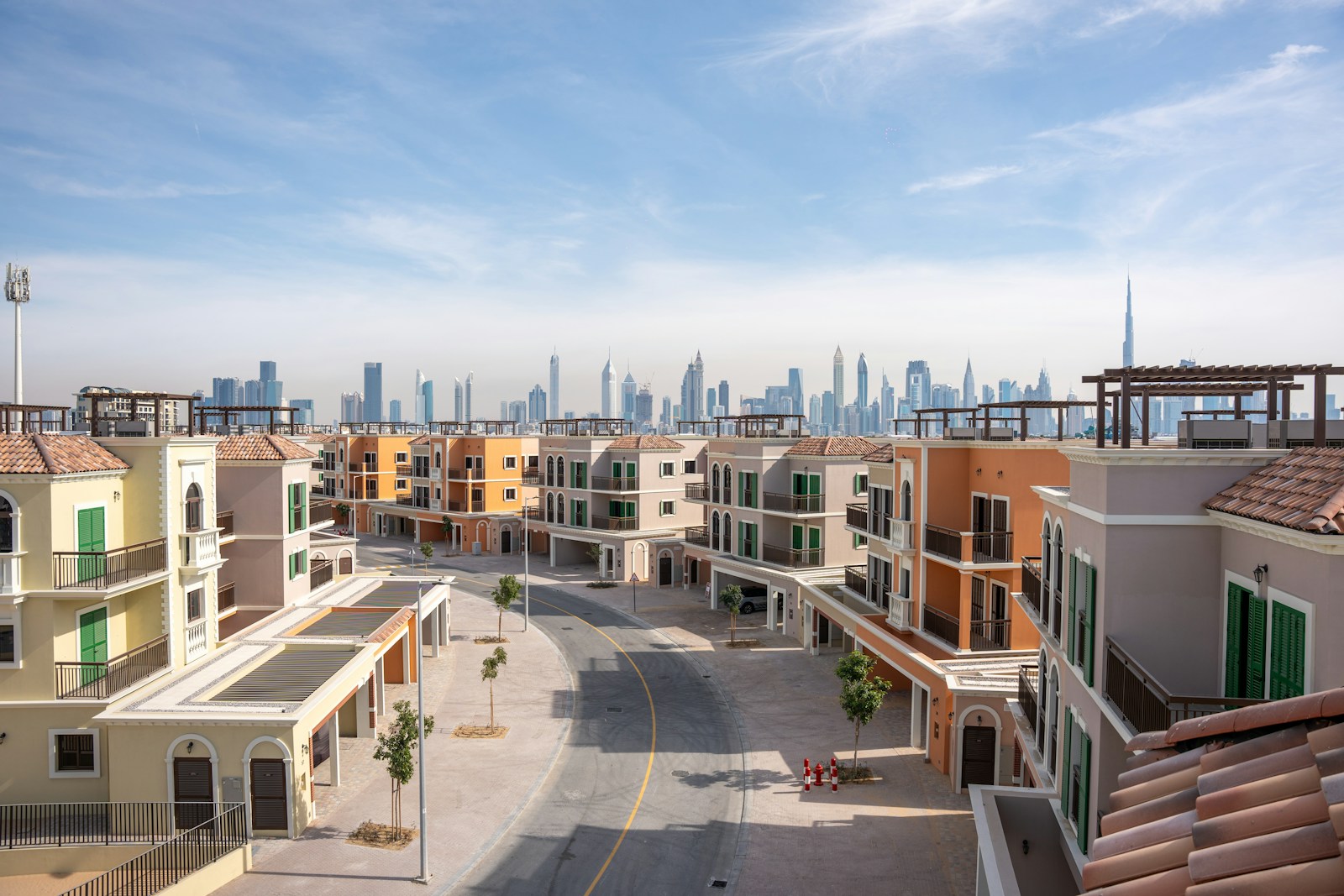
Dubai Villas Versus Apartments: The Ultimate Investment Decision Guide
Dubai’s skyline and sprawling communities offer investors two distinct paths: towering apartment complexes and expansive luxury villas. With property prices climbing 20% in popular areas during 2022 and rental yields averaging 5-8%, choosing between villas and apartments involves more than personal preference. This comparison explores financial returns, tenant demand, UAE-specific market dynamics, and hidden factors to identify which property type delivers superior investment results.
Investment Returns Showdown: Capital Growth vs Rental Yield
Recent Dubai Land Department data reveals diverging performance patterns:
- Apartments: Offer higher average rental yields (6-8% in prime areas like Downtown Dubai vs villa yields of 4-6%). High tenant demand in central locations (JLT, Business Bay) drives consistent occupancy.
- Villas: Outperform in capital appreciation – Palm Jumeirah villas surged 15-20% in value during 2023 due to limited supply. Suburban communities like Dubai Hills saw 12-15% growth as remote work increased demand for larger spaces.
Villa tenants typically commit to longer leases (2-3 years) versus apartment dwellers (1 year), reducing vacancy risks but requiring larger maintenance reserves. Apartments attract young professionals relocating frequently for career opportunities, ensuring faster tenant turnover but higher leasing costs.
Target Tenant Profiles: Who Pays Your Mortgage?
- Apartment Investors: Cater to Dubai’s growing corporate talent pool. Popular among:
- Single professionals (62% of apartment renters according to Property Monitor)
- Expat couples without children seeking urban convenience
- Short-term consultants in DIFC-focused areas
Proximity to Metro stations can command 15% rent premiums with faster leasing cycles.
- Villa Investors: Target premium segments:
- Multigenerational expat families (especially in communities like Arabian Ranches)
- High-net-worth individuals seeking privacy (Palm Jumeirah, Emirates Hills)
- Corporate executives with relocation packages covering premium housing
Properties with home offices saw 40% higher demand post-pandemic according to Dubai Land Department.
The Cost Equation: From Down Payments to Service Charges
Breaking down UAE property expenses reveals critical differences:
- Entry Costs:
- Villas require minimum 20% down payment for expats ($150k+ in mid-tier communities)
- Apartments start at 15% down ($75k for AED 2M property in JVC)
- Recurring Fees:
- Villas: Average DEWA bills of AED 2,000-4,000/month, community fees (AED 7-15psf/year), full maintenance responsibility
- Apartments: Service charges (AED 12-30psf/year), lower utilities, but potential special assessments for building repairs
- Hidden Expenses: Villas incur 3-5% annual maintenance costs versus 1-2% for apartments. Short-term rental permits add 10% to licensing fees.
Dubai Market Dynamics: Location Dictates Success
Investment performance varies dramatically by community:
- Prime Apartment Zones:
Downtown (6.9% average yield), Dubai Marina (7.2%) benefit from tourism and city views. Values grew 58% since 2020 trough (Property Monitor). - Family Villa Communities:
Arabian Ranches yields dipped to 4.8% as supply grew, but DAMAC Hills saw 11% price growth from infrastructure upgrades. Off-plan villa launches in Dubailand attract investors with 60/40 payment plans. - Emerging Areas:
Townhouses in Tilal Al Ghaf blend villa space with mid-rise pricing (starting at AED 1.7M) – hybrid options gaining popularity since 2022.
Recent regulations boost investor confidence: enhanced escrow laws, 10-year golden visas for property investors (AED 2M+), and reduced mortgage fees for first-time buyers.
Future-Proofing Your Investment: Market Shifts to Watch
- Expo 2020 Legacy: Districts near Expo City drive apartment demand – Dubai South occupancy rose to 86% by Q3 2023.
- Climate Adaptation: Buyers increasingly favor energy-efficient villas (solar-ready communities like The Sustainable City)
- Tech Impact: Smart-home amenities command 8-12% rent premiums. Nad Al Sheba villa complexes with integrated tech report 98% occupancy.
- Regulatory Evolution: Anticipated changes to property laws in 2025 D33 Economic Agenda may redefine ownership structures.
Strategist’s Playbook: Tailoring Your Purchase
Maximize returns with these UAE-specific tactics:
- Budget < AED 2M: Prioritize apartments in growth corridors (JVC, Sports City) targeting young professionals.
- Budget AED 2M-5M: Consider townhouses in DAMAC Hills or villas in Dubai Land. Monitor delivery dates – delayed projects still exist.
- Budget > AED 5M: Target limited-edition luxury villas (Palm Jumeirah Fronds) or branded apartments (Armani, Bvlgari) for international buyers.
- Exit Planning: Off-plan apartments sell fastest post-completion (>35% transactions in 90 days). Luxury villas require patient marketing but yield higher margins.
Verify developer credentials via RERA’s Developer Classification system. Top-tier (Trusted) developers like Emaar offer better capital protection. Secure pre-approval for mortgages – interest rates varied between 5.29% (apartments) to 5.89% (villas) in Q1 2024.
Conclusion: Context is King in Dubai Property
Neither villas nor apartments universally outperform – your investment goals and budget should dictate the strategy. For hands-off investors prioritizing consistent cash flow, Dubai apartments near employment hubs deliver stronger yields with manageable overhead. For those building long-term wealth with larger capital reserves, premium villas in supply-constrained communities offer superior appreciation and wealth preservation.
Current market conditions favor diversification: consider apartment portfolios near metro expansions (2028 Route 2020 extension) while allocating higher budgets to villa positions in established communities. With Dubai’s population projected to reach 5.8 million by 2040 and new residency reforms attracting global wealth, both property types present viable investments – the key lies in matching asset selection to your financial roadmap and risk tolerance. Always partner with RERA-certified agents and conduct due diligence through the DXB Interact platform to navigate Dubai’s dynamic real estate landscape successfully.