Dubai Property Price Trends 2025: Market Analysis and Forecast
Dubai’s real estate market continues its dynamic evolution, with 2025 poised to be a landmark year shaping the emirate’s urban landscape. As global investors increasingly look toward stable, high-growth markets, Dubai stands out with its investor-friendly policies, tax advantages, and ambitious economic vision. This comprehensive analysis explores the driving forces behind Dubai’s property trajectory, offering expert forecasts and practical insights for buyers, sellers, and investors navigating opportunities through 2025.
Current Market Snapshot: Setting the Stage for 2025
Dubai entered 2024 riding a wave of sustained growth, fueled by robust demand and economic diversification. Key indicators demonstrate the market’s resilience:
- Property values increased by 21% year-on-year in Q1 2024, with prime areas like Palm Jumeirah and Downtown Dubai leading gains.
- Transactions hit a record high in 2023 with over 118,000 sales, driven by cash and mortgage buyers.
- Off-plan sales surged by 40% due to developer incentives and rising interest from international buyers, particularly from Russia, India, UK, and China.
Key Drivers Shaping Dubai’s 2025 Property Forecast
Several critical factors will determine Dubai’s property trajectory through 2025, creating both opportunities and strategic challenges:
Government Vision & Regulatory Momentum
Dubai’s regulatory enhancements aim to boost long-term investor confidence. Major initiatives include:
- Expansion of the Golden Visa program across broader property investment thresholds
- Public-private partnerships driving mega-developments like Dubai Creek Harbour and Mohammed Bin Rashid City
- New strata laws enhancing owners’ association governance and service charge transparency
The Dubai 2040 Urban Master Plan will intensify demand in growth corridors like Dubailand and Al Furjan, pushing infrastructure-linked appreciation.
Economic Diversification & Foreign Investment
Dubai’s non-oil economy is projected to grow 4% annually through 2025, accelerating real estate demand:
- Dubai’s population is forecast to exceed 4 million by 2025, increasing housing demand by 30,000 units annually
- Over 60% of recent buyers were foreign nationals, leveraging UAE’s tax-free income and capital gains advantages
- Corporate tax exemptions for free zone companies continue attracting multinational headquarters, driving luxury rental demand
Supply-Demand Equilibrium Shifts
Though 85,000 new units are slated for 2024-2025 deliveries, experts note nuanced segment impacts:
- Mid-market apartment supply may temper price growth in secondary areas like Jumeirah Village Circle
- Luxury segment faces supply constraints, especially for beachfront villas and branded residences
- Developer payment plans (often 5-8 years post-handover) continue fueling off-plan demand despite interest rates
Dubai Property Price Projections for 2025 by Segment
| Property Segment | Current Avg. Price (AED/sq.ft) | 2025 Forecast (AED/sq.ft) | Growth Projection |
|---|---|---|---|
| Luxury Waterfront Villas (Palm Jumeirah) | 3,200 | 3,650-3,900 | 12-18% |
| Premium Downtown Apartments | 2,150 | 2,400-2,600 | 10-15% |
| Affamily Communities (Townhouses) | 1,050 | 1,150-1,250 | 5-8% |
| Emerging Areas (Dubai South) | 850 | 950-1,050 | 10-15% |
Top Investment Hotspots Through 2025
Strategic location selection will be critical for maximizing returns. Prime opportunities cluster in:
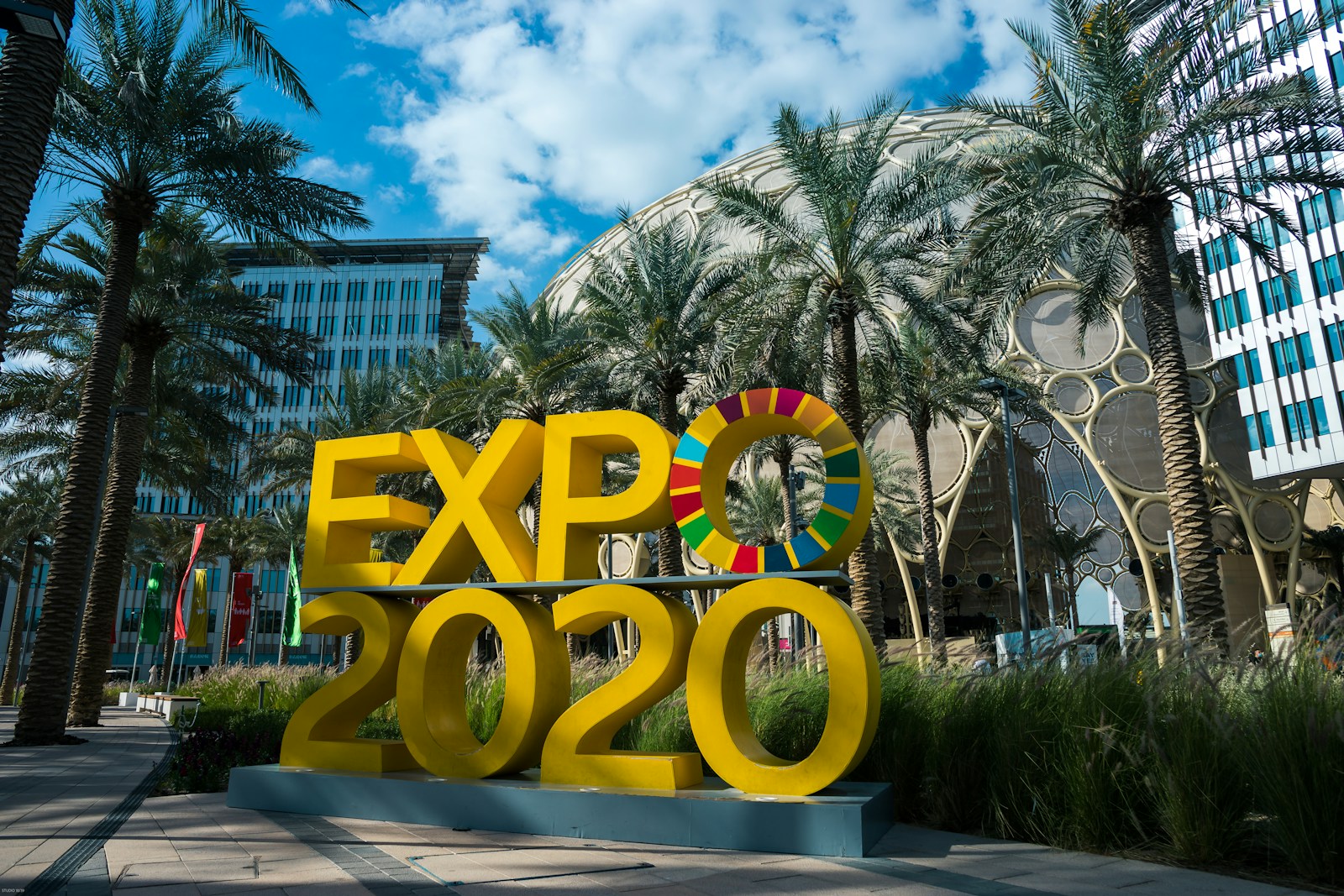
- Expo City Dubai – Infrastructure legacy driving commercial/residential demand (+20% forecast)
- Dubai Islands (Deira) – New waterfront community with marina and retail hub potential
- Al Marjan Island (Ras Al Khaimah proximity) – Affordable beach properties attracting Dubai commuters
- District 2020 (Dubai South) – Tech-focused ecosystem near expanded Al Maktoum Airport
Strategic Opportunities and Risk Considerations
Key Opportunities
- Leverage flexible payment plans for off-plan purchases before 2025 completion deadlines
- Target “rent-to-own” schemes gaining traction in mid-market communities like Damac Hills
- Energy-efficient properties command premium valuations amid UAE Net Zero 2050 focus
Cautious Planning Areas
- Monitor interest rate fluctuations impacting mortgage demand (currently 4.5-6% for expats)
- Due diligence on developer delivery capability as construction costs fluctuate
- Short-term oversupply risks in the studio/1-bed segment require location-specific analysis
Action Plan for Investors & End-Users
Positioning for 2025 market dynamics requires methodical steps:
- Define Objectives: Prioritize capital appreciation (emerging areas) vs. rental yields (downtown cores).
- Engage Local Experts: Collaborate with RERA-certified brokers for off-market deals.
- Secure Financing Early: Banks now offer 80% LTV for expats; pre-approvals accelerate purchases.
- Diversify: Blend blue-chip assets with growth-focused communities for portfolio balance.
- Monitor Regulatory Shifts: Subscribe to DLD alerts for policy changes impacting ownership costs.
Conclusion: Strategic Horizon for Sustained Value Creation
Dubai’s property market through 2025 presents compelling opportunities for attentive investors and residents. Current indicators suggest sustained growth momentum, particularly within the luxury and emerging community segments. However, strategic differentiation based on location, segment selection, and timing will separate high-performing investments from stagnant ones. By understanding regulatory tailwinds, demographic shifts, and supply pipelines, stakeholders can secure assets positioned for Dubai’s next growth chapter. Act proactively but prudently—leverage data, trust certified advisors, and align purchases with Dubai’s longer-term transformation into a global metropolis where real estate remains central to its economic vision. The window for prime positioning is open, demanding informed action today for 2025 rewards.